How to Work With an Event Photographer: Lessons from Shooting TEDxHouston
If you've ever hired an event photographer and felt like the gallery didn't quite capture what the day actually felt like — this is for you.
And if you're a photographer trying to understand what separates a strong event gallery from a forgettable one, this is also for you.
I'm a Houston-based event photographer, and this is a personal recount of how I approached shooting TEDxHouston — and the strategy behind why I made the choices I did.
Because the best event photography isn't just documentation. It's a tool your organization can use long after the event ends.
Why Event Photography Requires a Different Mindset
Compared to studio or personal branding work, where you're able to shape the environment you want, event photography requires you to work with what is already happening. You are not creating the room. You are entering it.
That's why I believe event photographers are not all made equal. We all have our own process for how we work a room, how we move through it, and how we decide what moments matter.
Part of the job is documenting what happened, yes. But a great event photographer takes it a step further. We don't just capture the energy in the room. We help influence it.
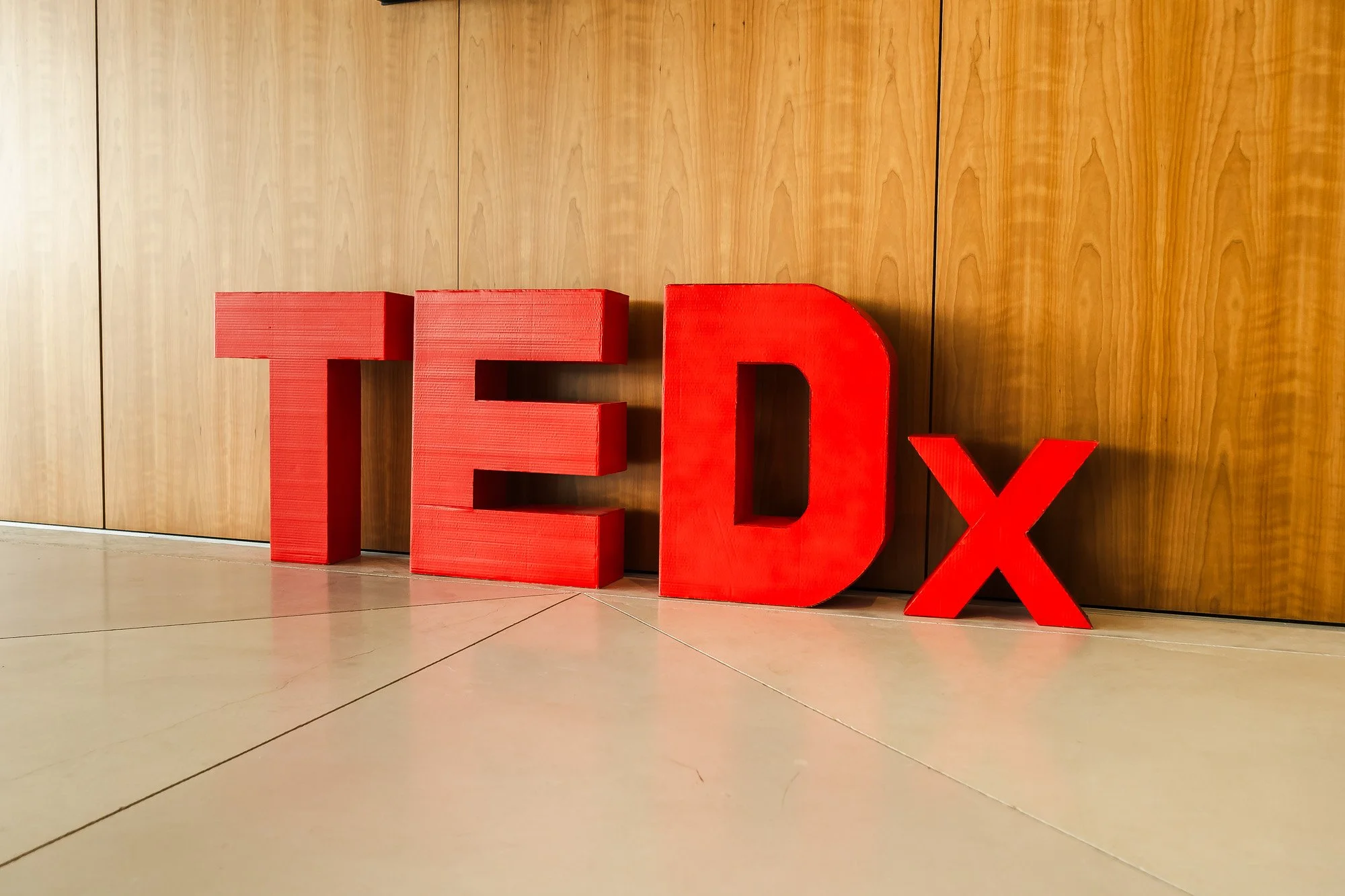
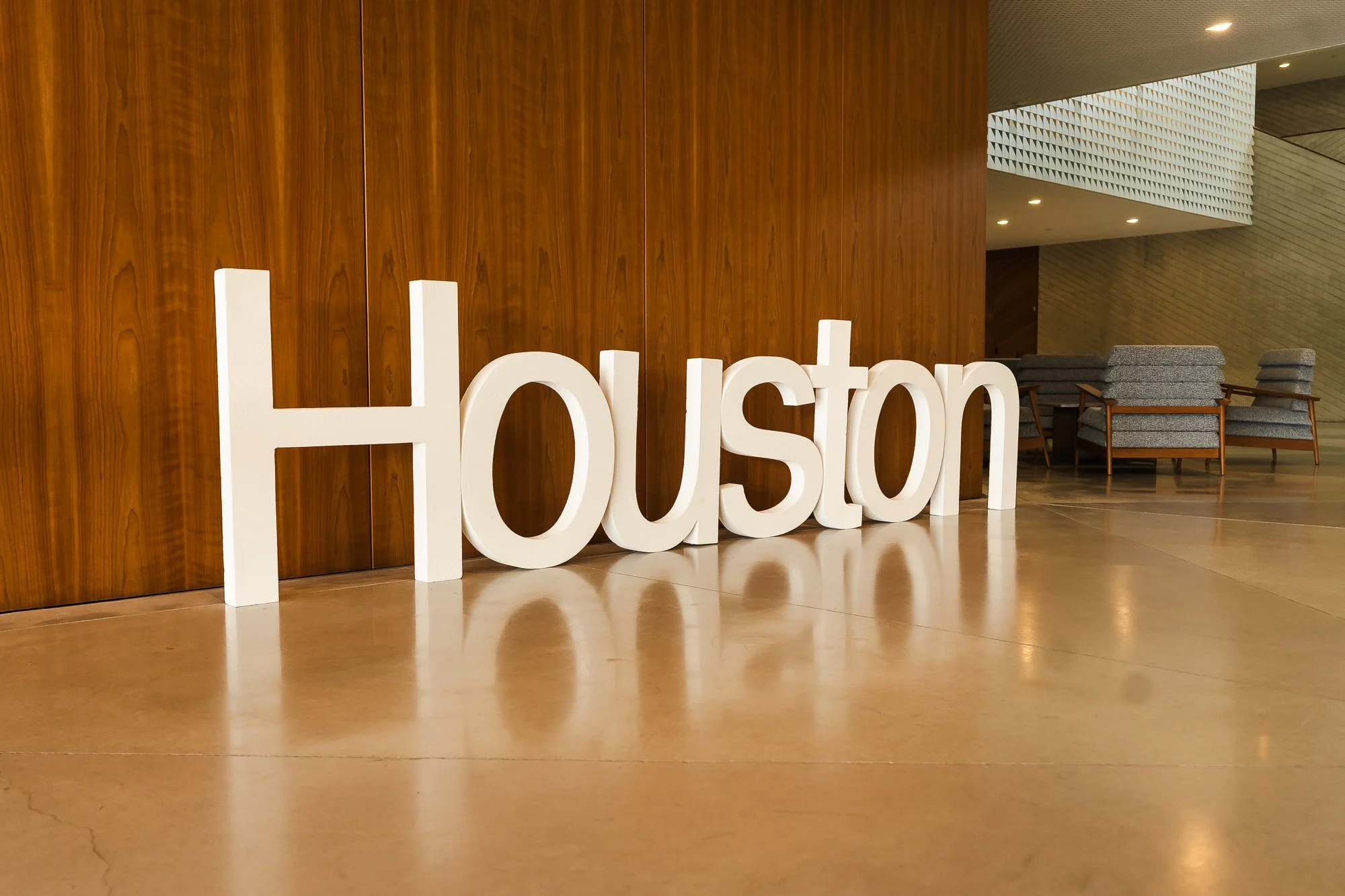
How I Ground Myself Before I Start Shooting
I'm an avid fiction reader, and there's an idea from Octavia Butler's Wild Seed that has stayed with me.
The main character, Anyanwu, is a shapeshifter with a heightened physical awareness. She can sense the nature of a space and the people in it before she fully enters. The lesson I took from her: before you move through a room, let it come to you first.
That's something I carry into every event, especially rooms that are slightly outside my comfort zone.
Before I start shooting aggressively or trying to force moments, I read the room. What is the tone? Who feels comfortable? Where is the light? Where are people naturally gathering? What moments are already starting to unfold?
When I ground myself first, I can move with the room instead of against it. And that makes a real difference in what the images feel like. I do this before even taking a photo or interacting with any of the guests.
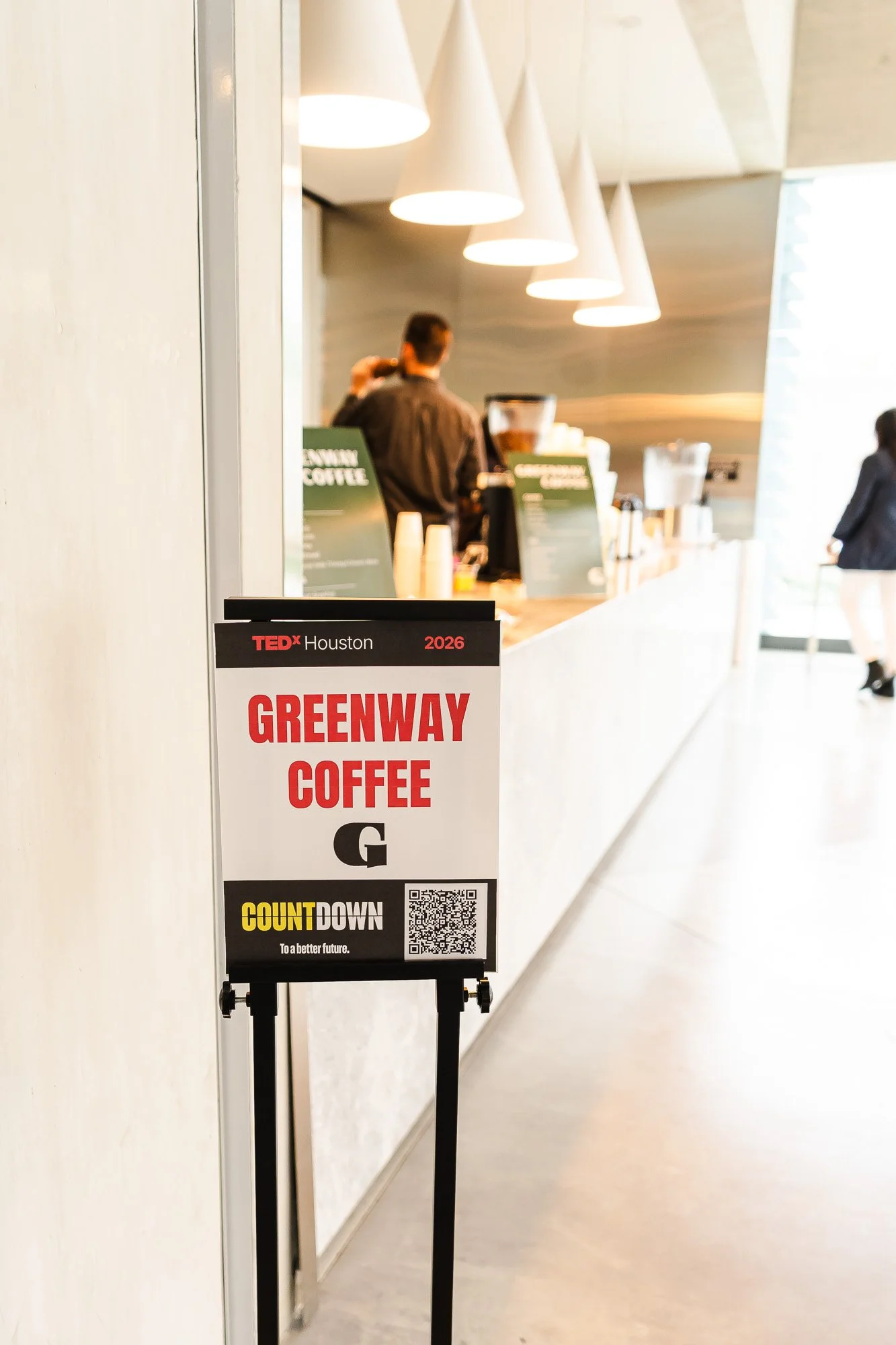
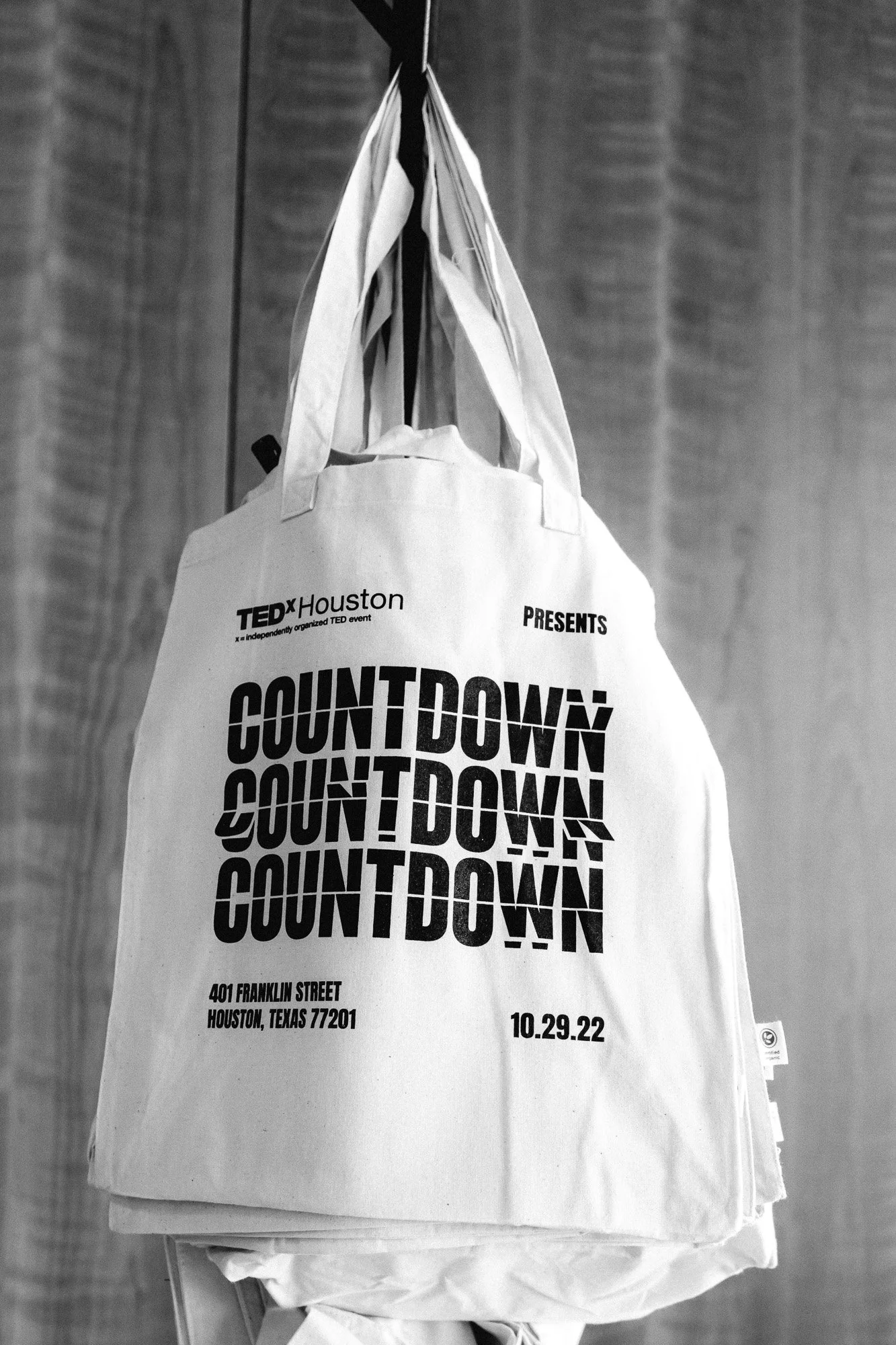
Photographing the Full Event Experience. Not Just the Stage
One of the most important things event organizers can communicate to their photographer: the event is bigger than the speakers.
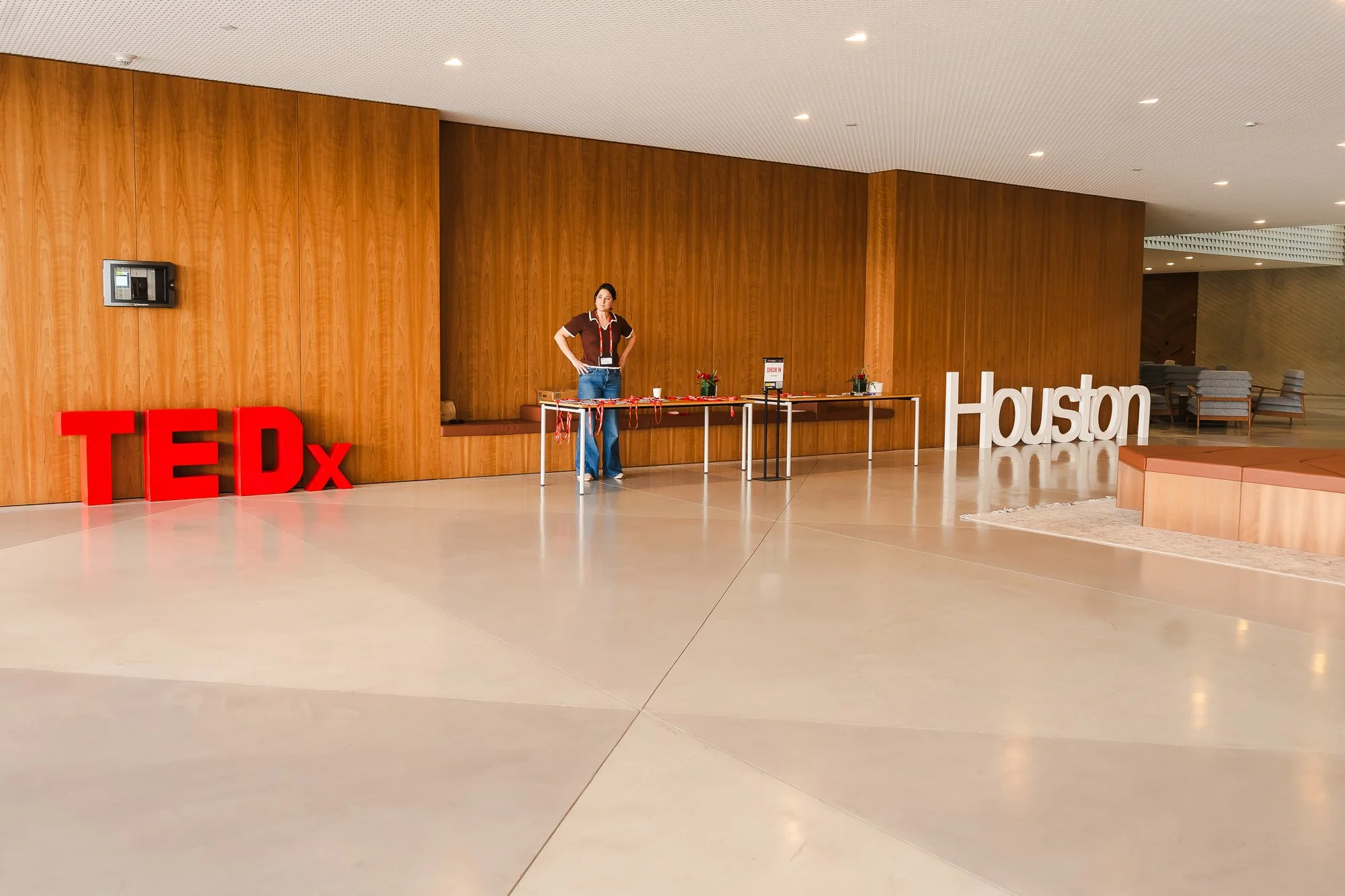
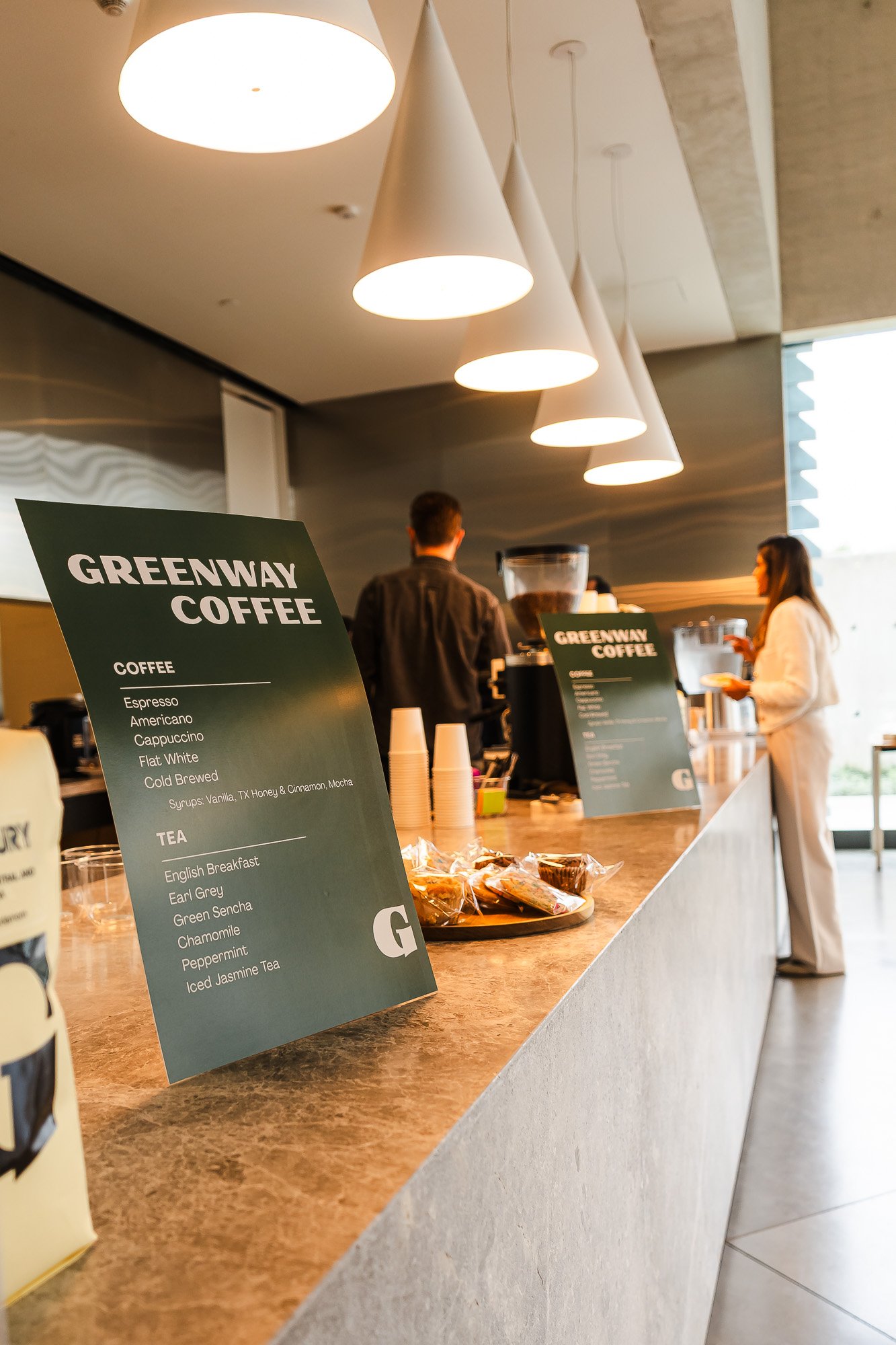
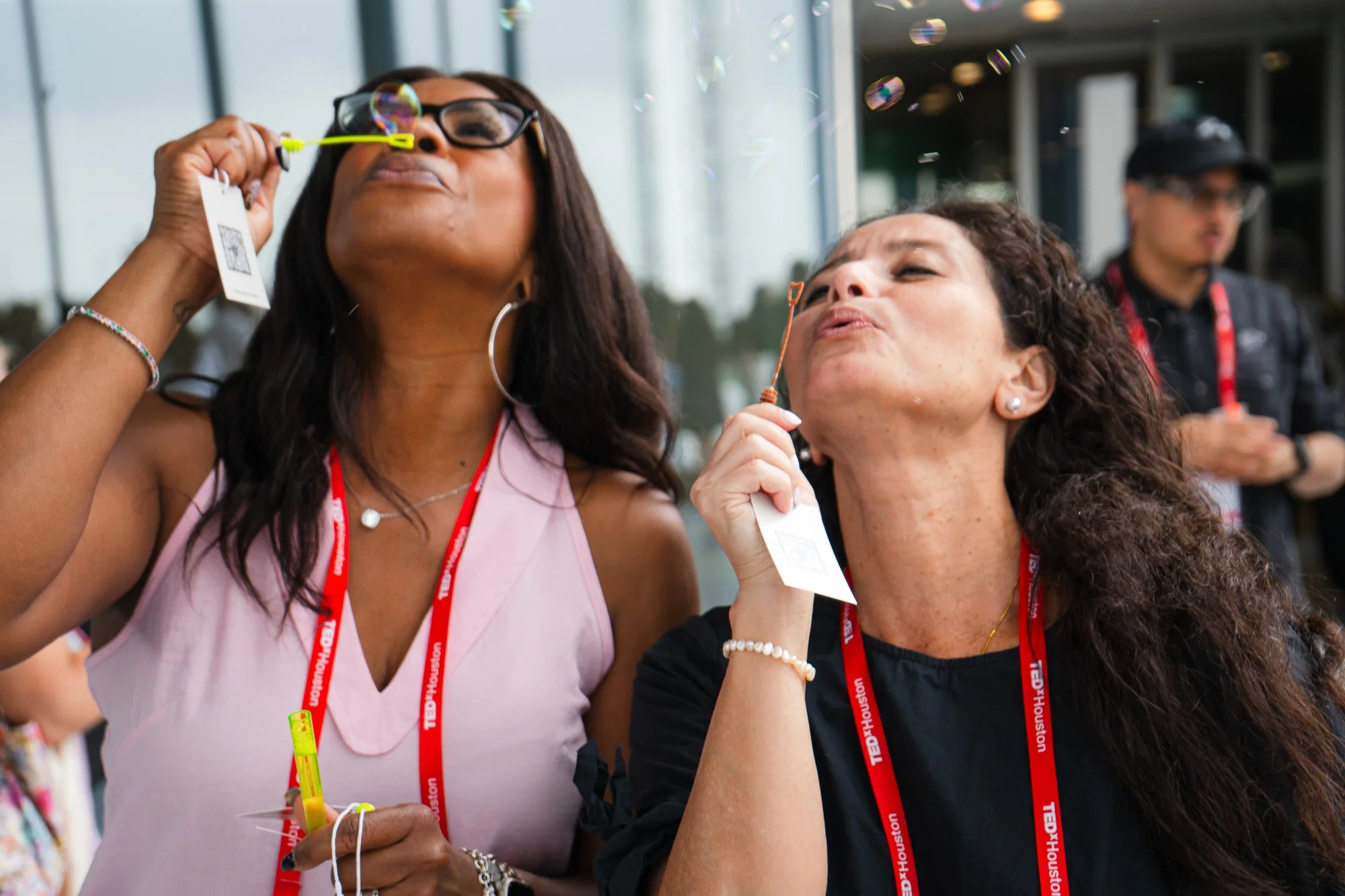
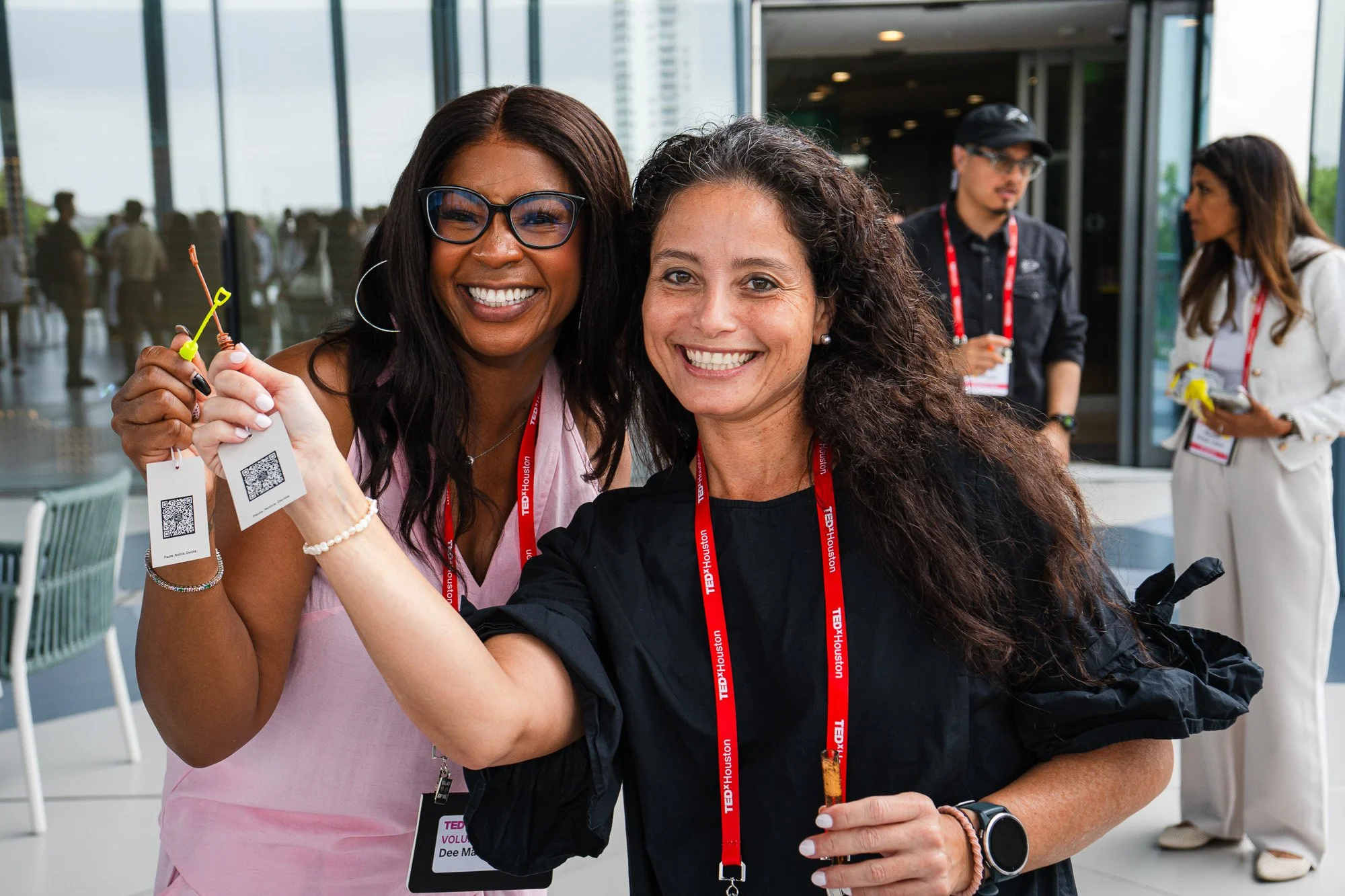
Most events rarely happen in a vacuum. There's a partnership, an activation, a sponsor presence, a vendor table, a check-in experience, or a branded moment happening alongside the main programming.
Those details matter — and they're often the most underleveraged part of an event gallery.
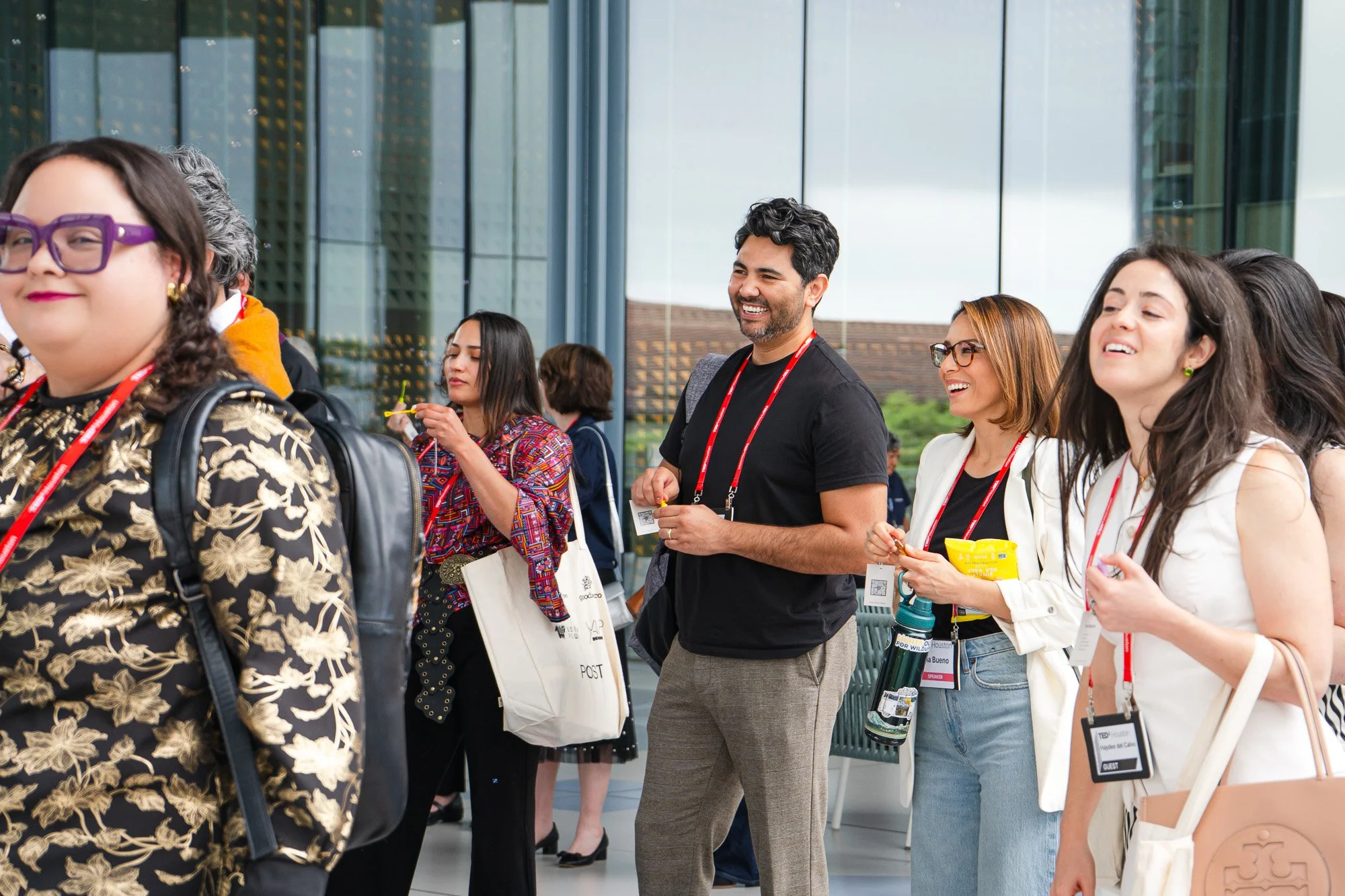
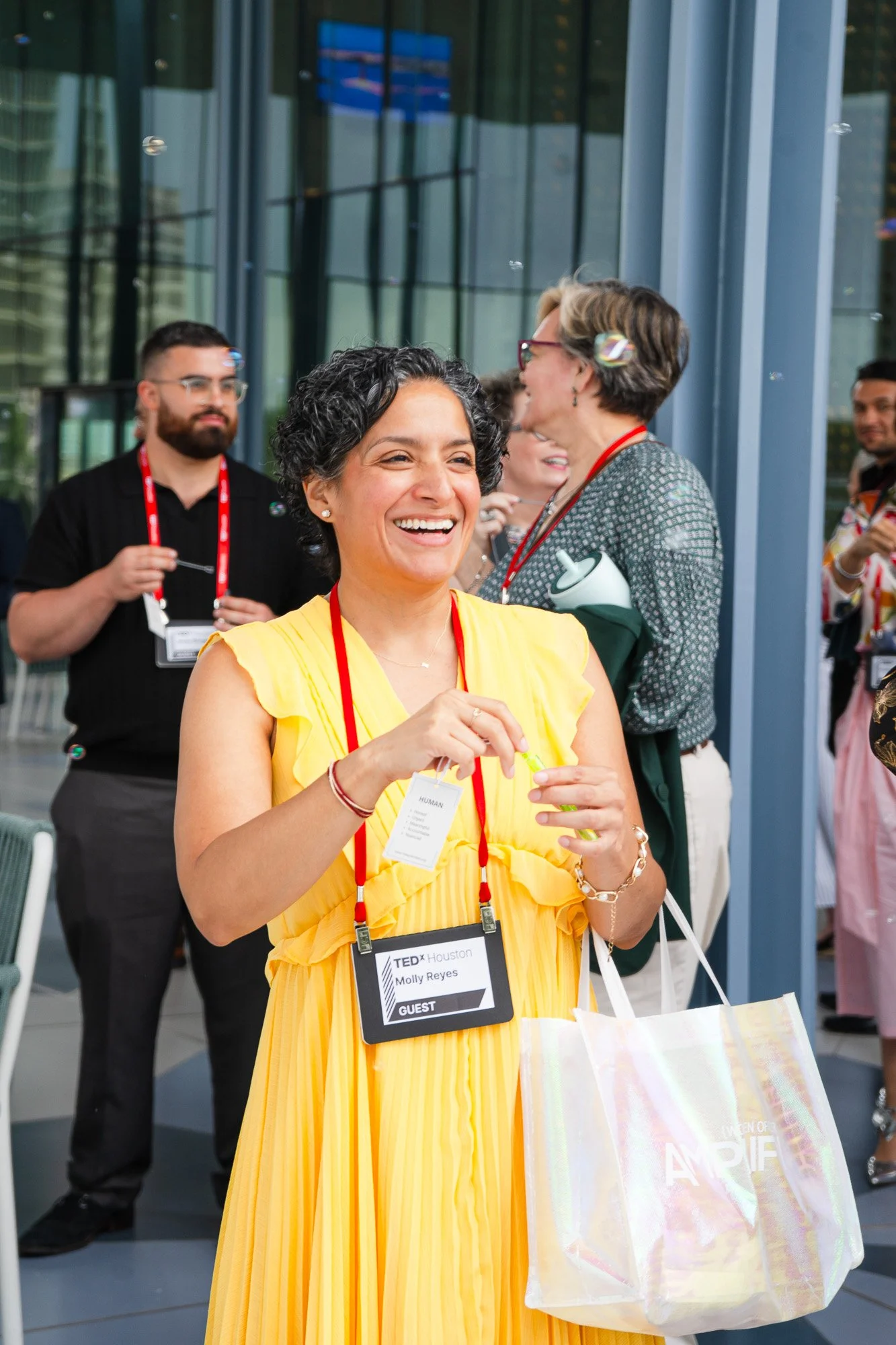
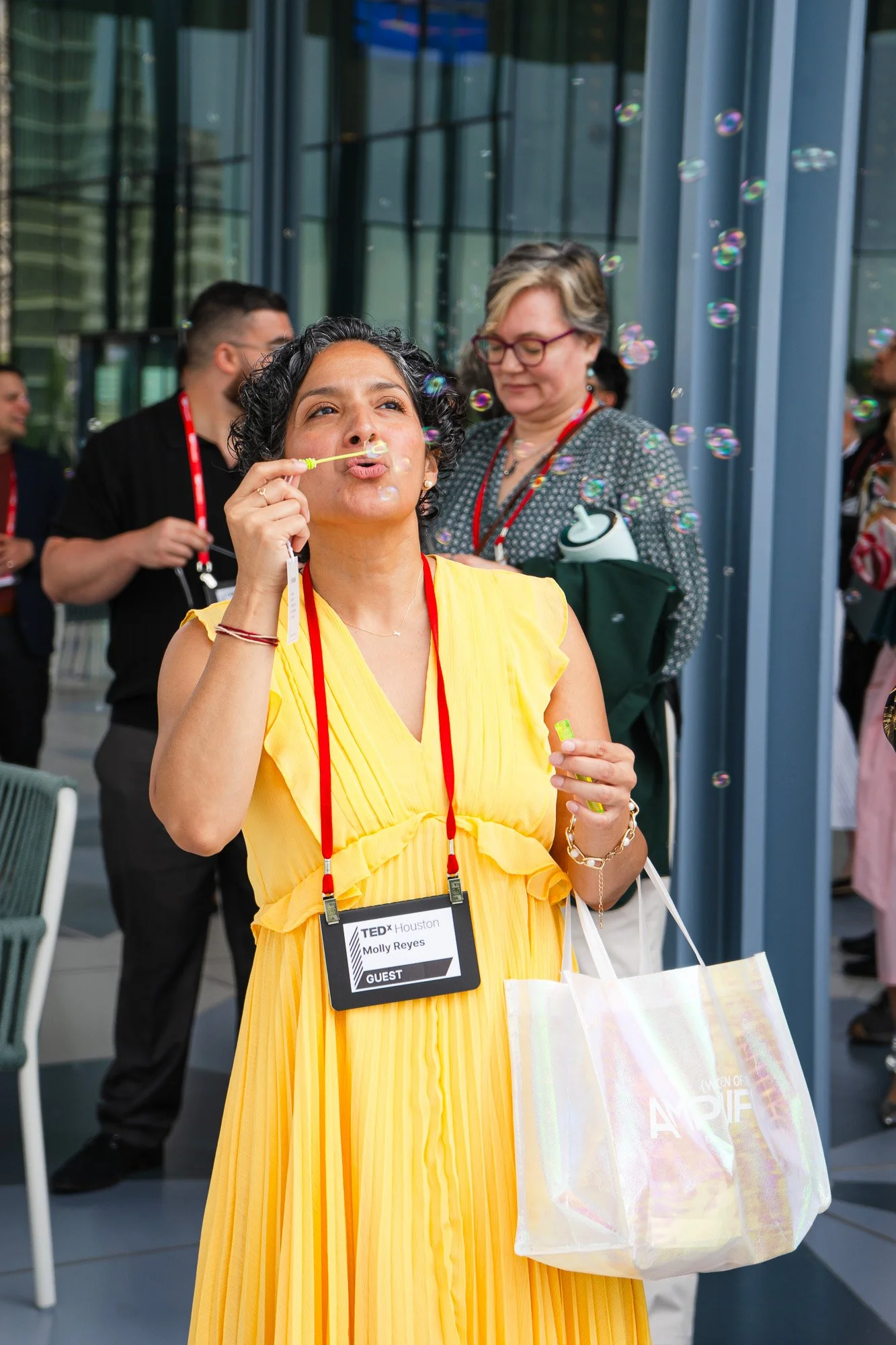
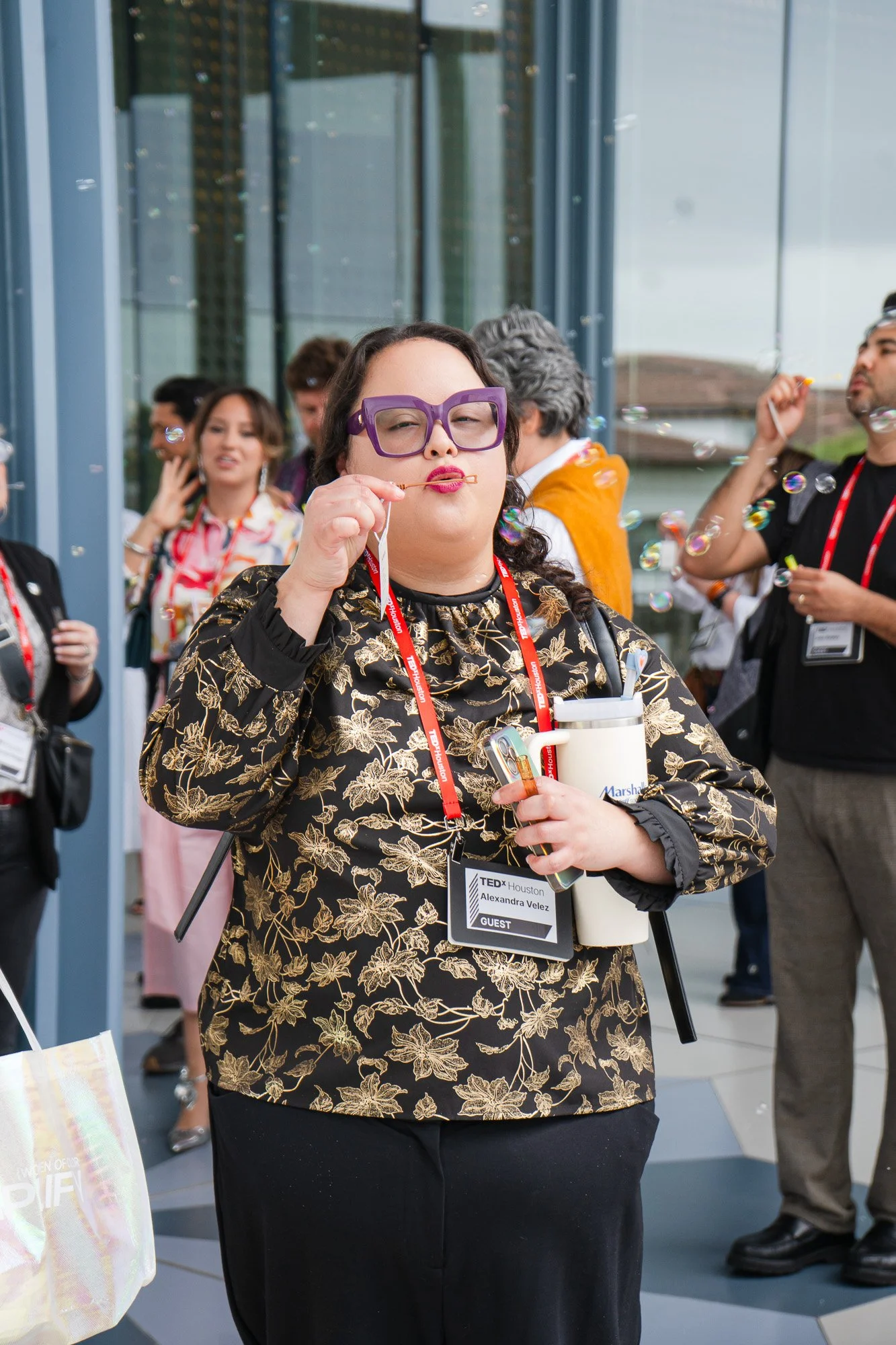
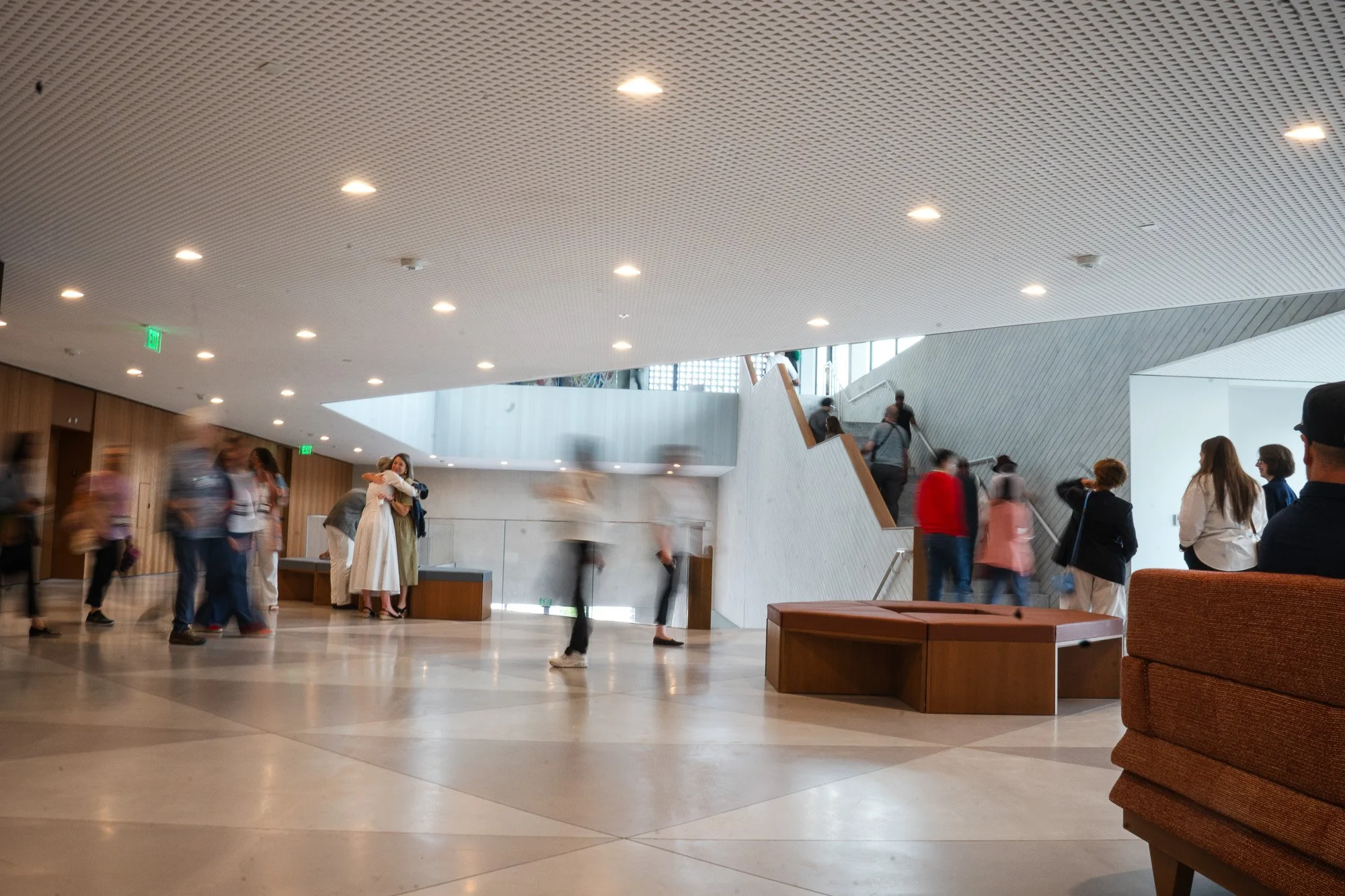
For TEDxHouston, I wasn't only thinking about speaker photos. I was thinking about the full event experience. What did attendees see when they arrived? What were they invited to interact with? Where were the brand moments? What would make a sponsor feel genuinely seen?
These photos are useful beyond the recap gallery. They can be shared with sponsors as proof of presence, used to strengthen future partnership conversations, and help extend the life of the event long after the day is over.
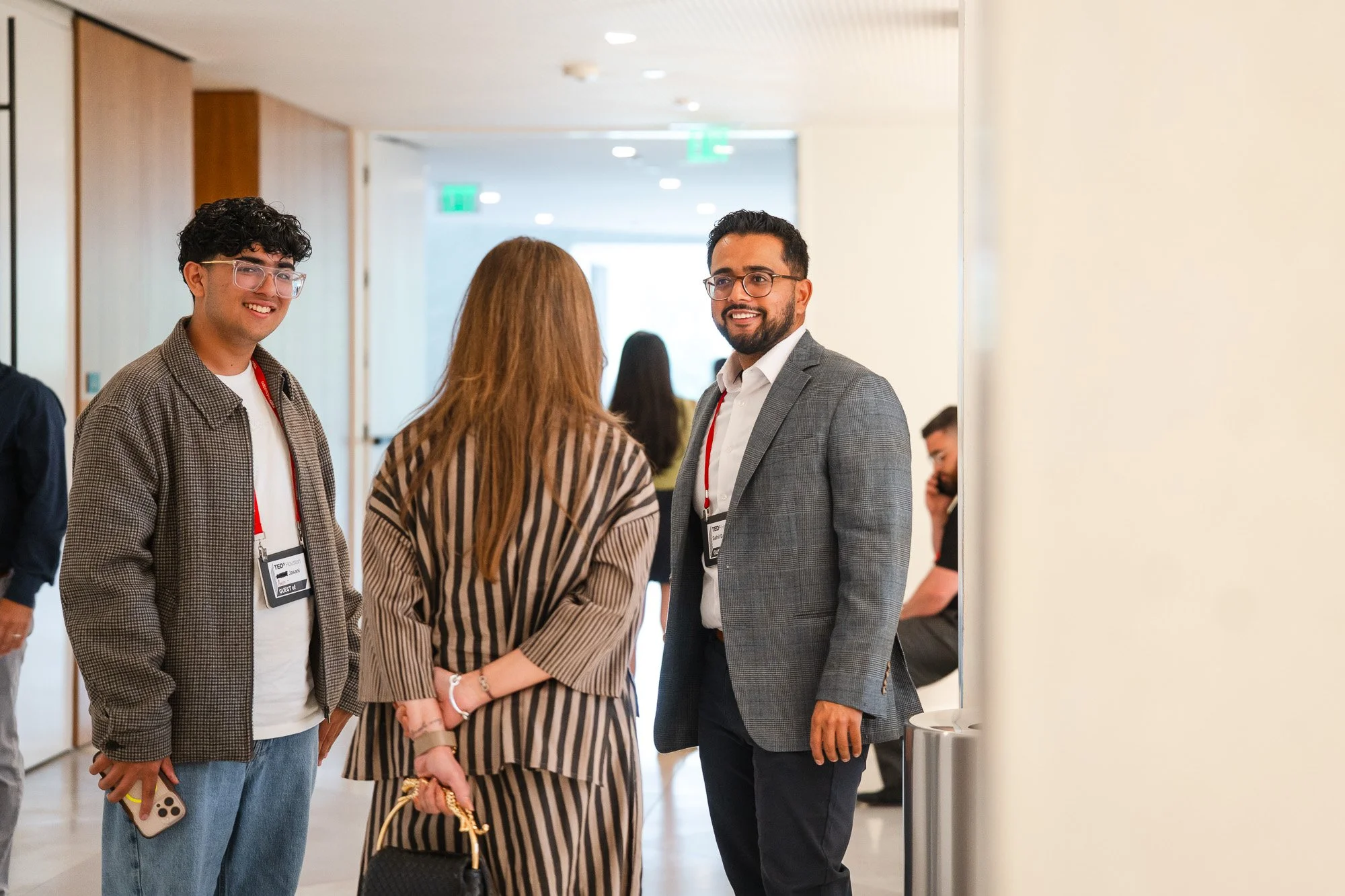
When shooting an event, I try to walk through it with the eyes of an attendee — and capture the experience from that perspective.
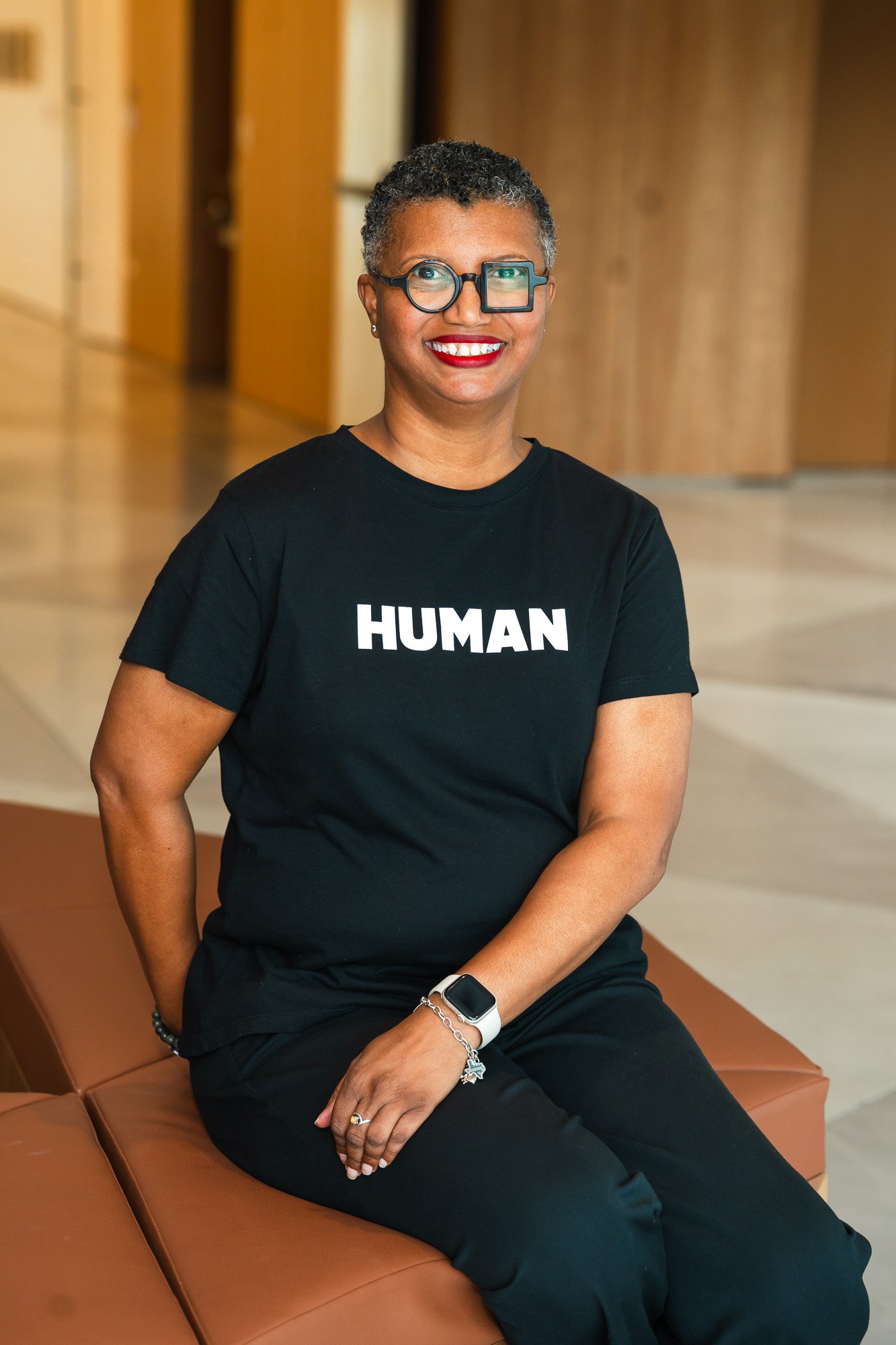
Getting Strong Shots of the Hosts and Organizers
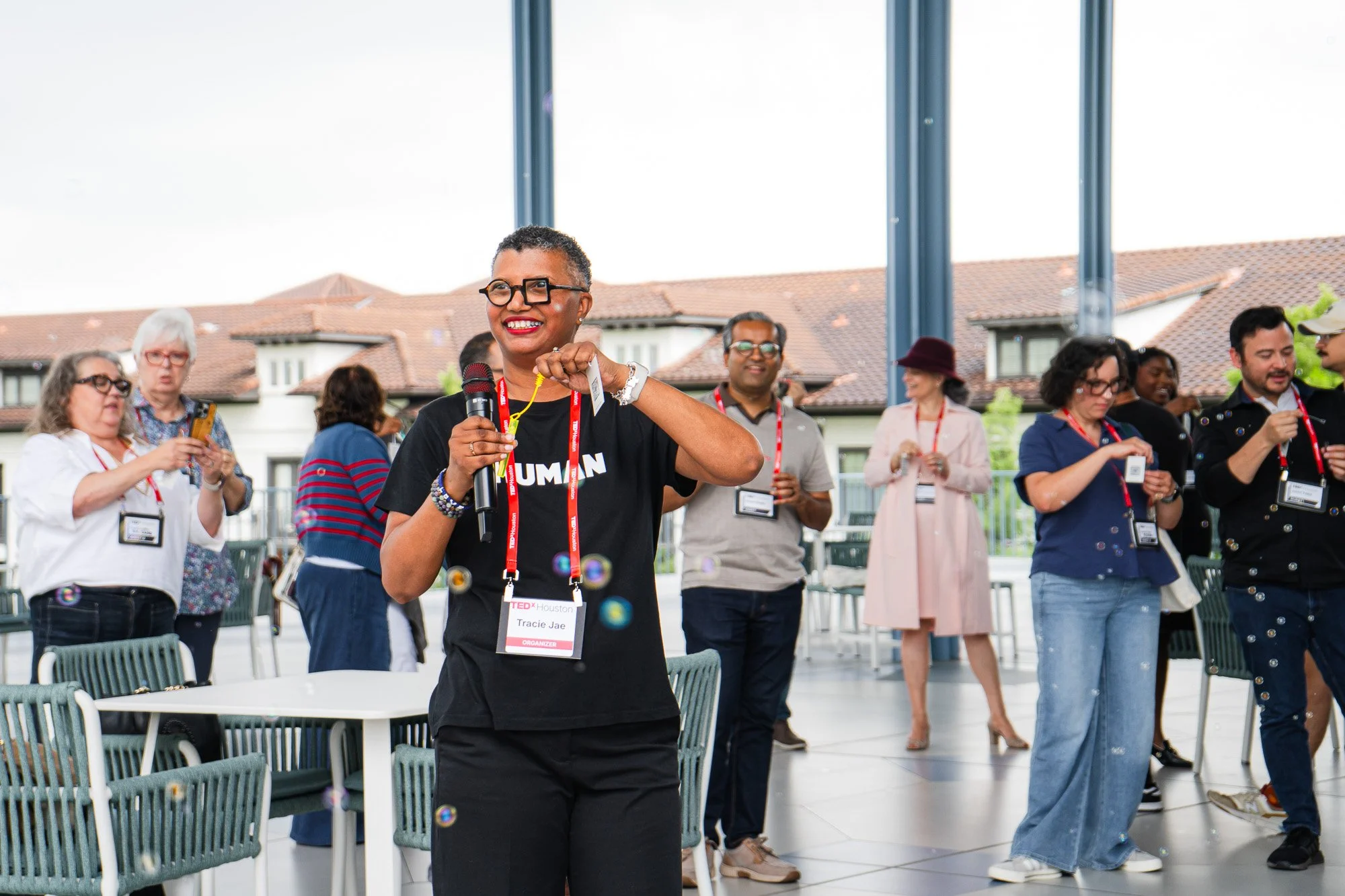
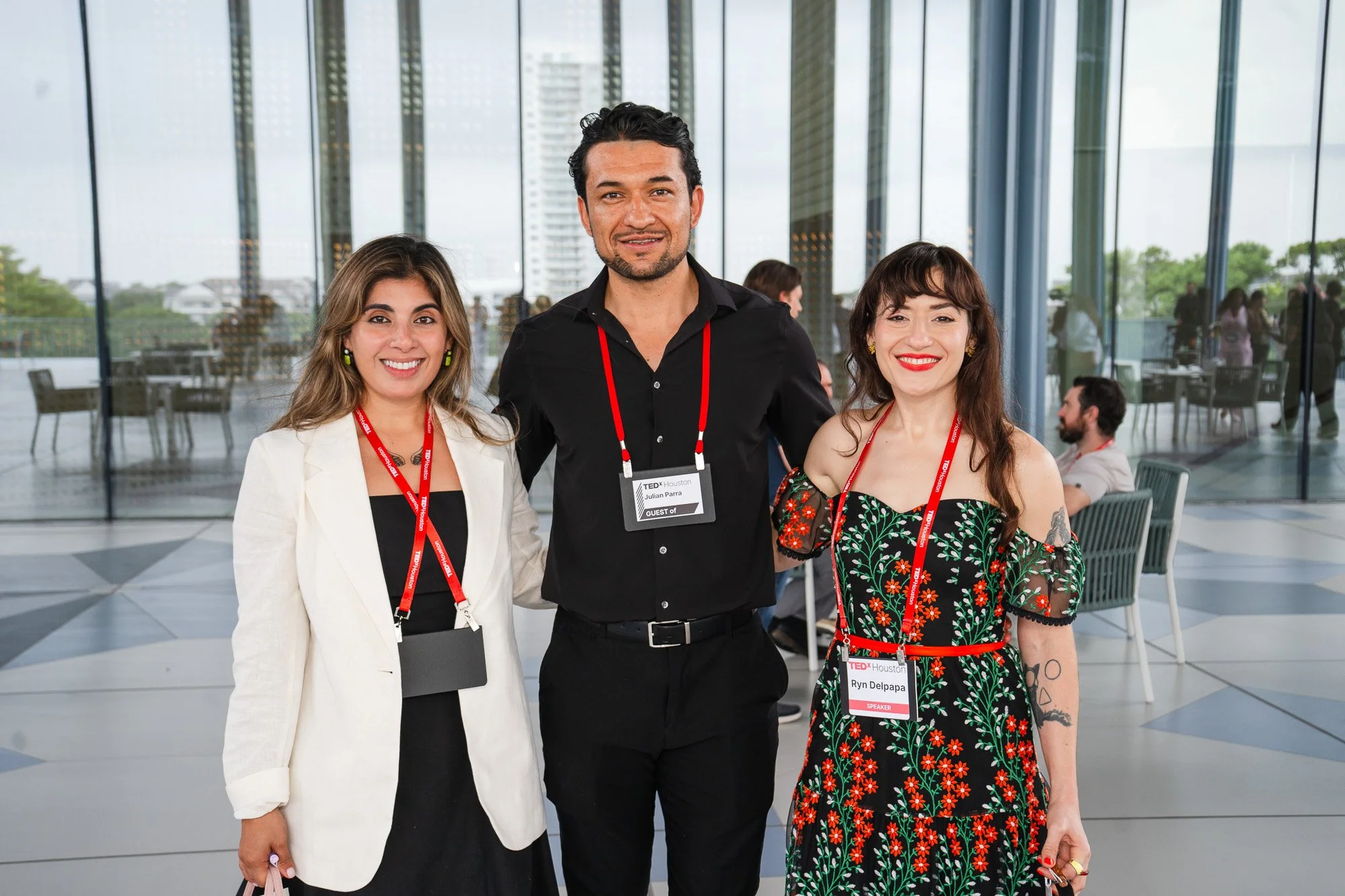
Once I have a sense of the environment, I look for the hosts and key organizers.
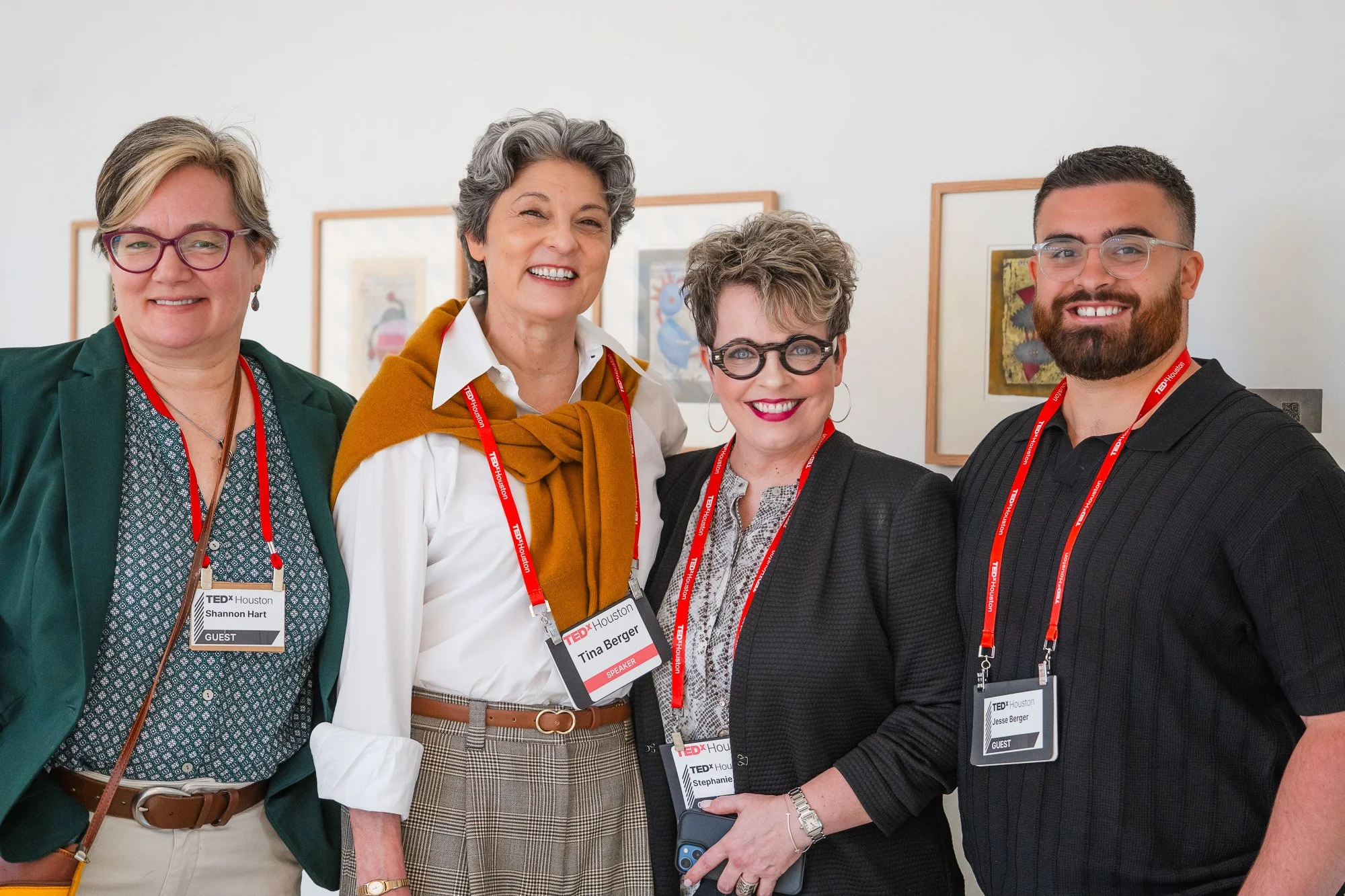
I like to arrive before the main programming begins so I can capture a mix of candid and lightly guided shots before everyone is pulled in a million directions. Hosts are often the bridge between the event and the audience, and photographing them well matters.
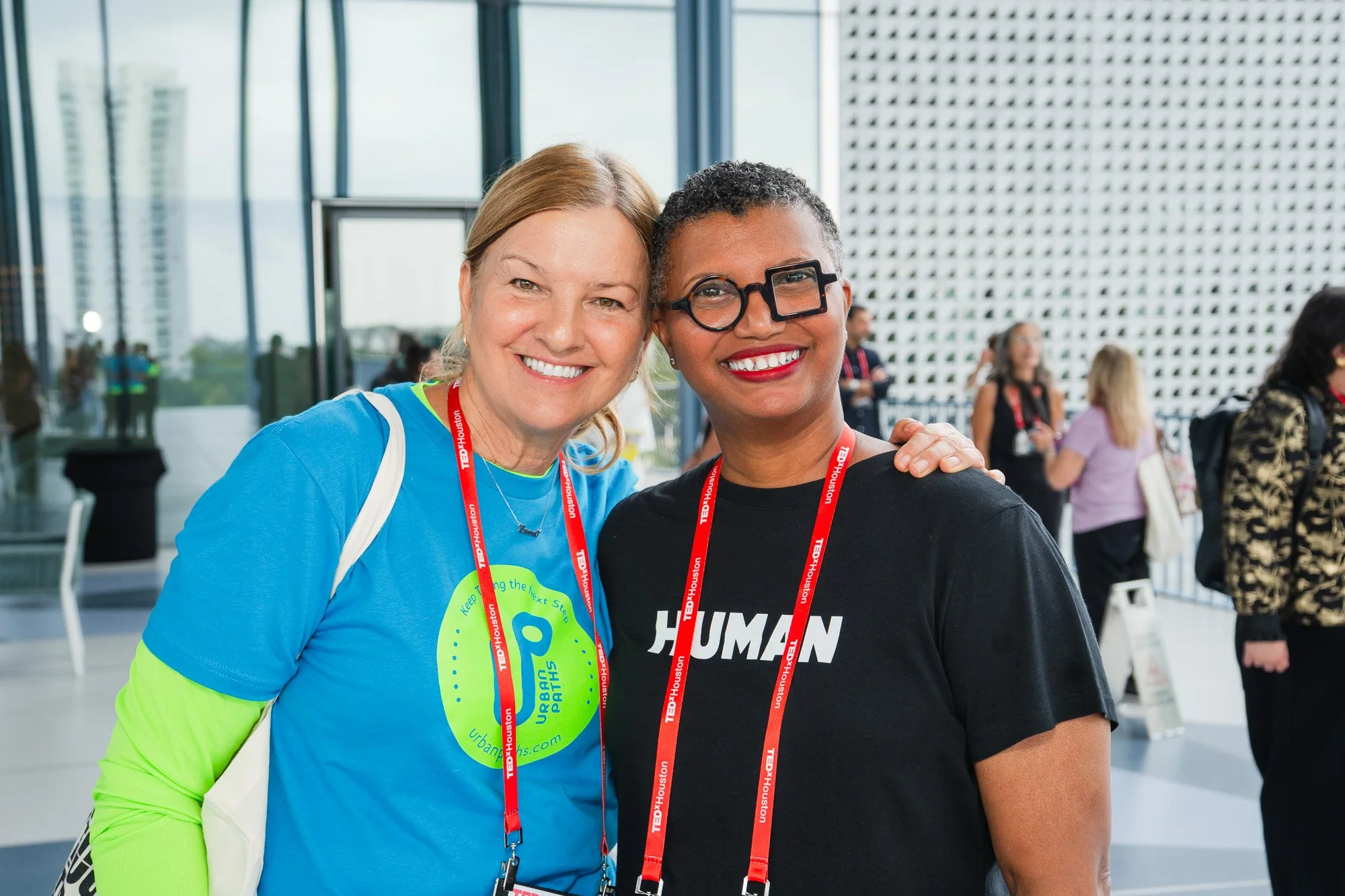
They're the people welcoming guests, setting the tone, introducing speakers, and representing the event in real time. For a client, these images communicate leadership, warmth, credibility, and the human side of the organization.
For event organizers: this is one of the best reasons to make sure your photographer arrives early. Those pre-event moments are often the most natural — and the hardest to recreate.
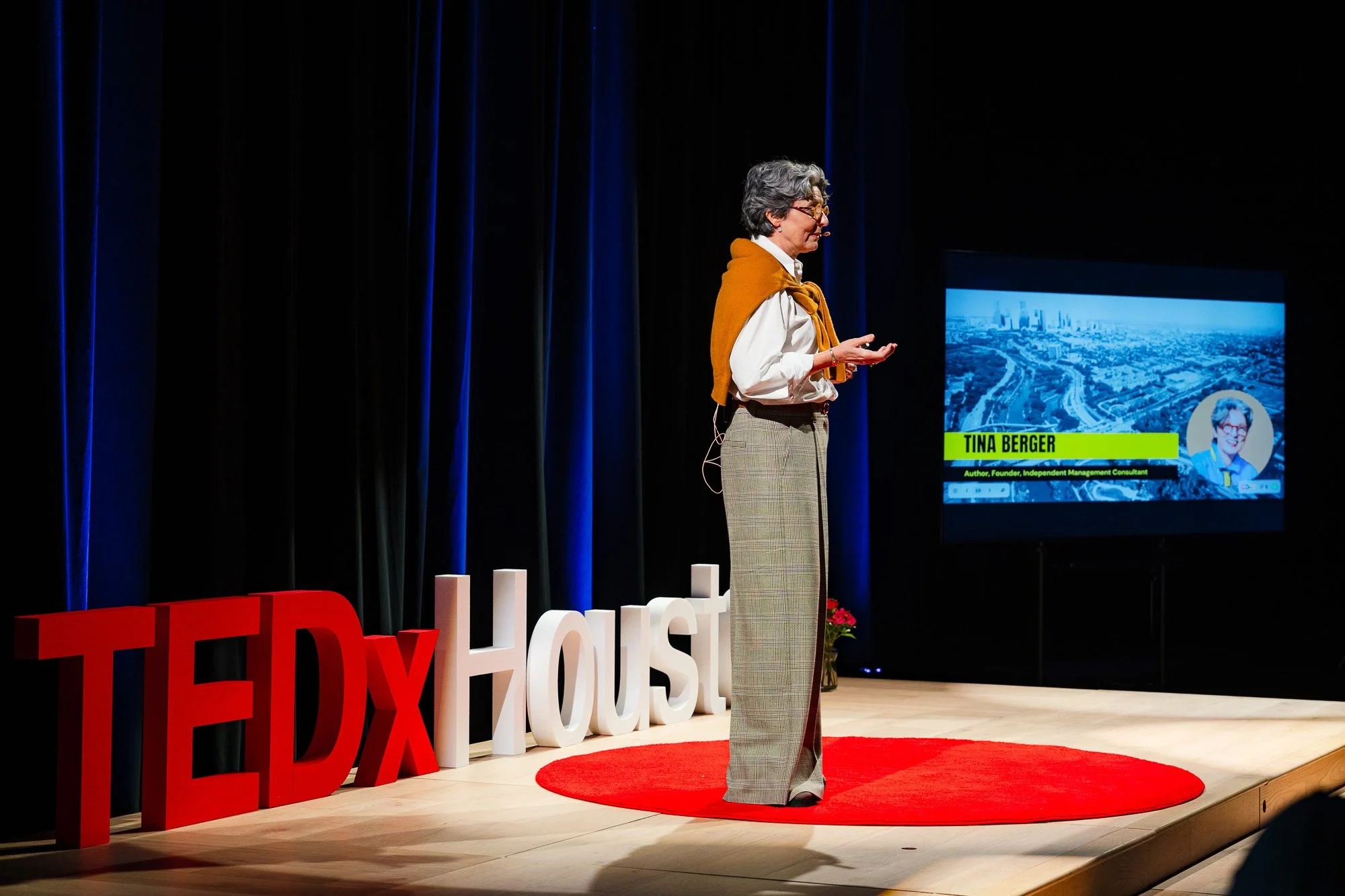
How I Photograph Conference Speakers Without Disrupting the Room
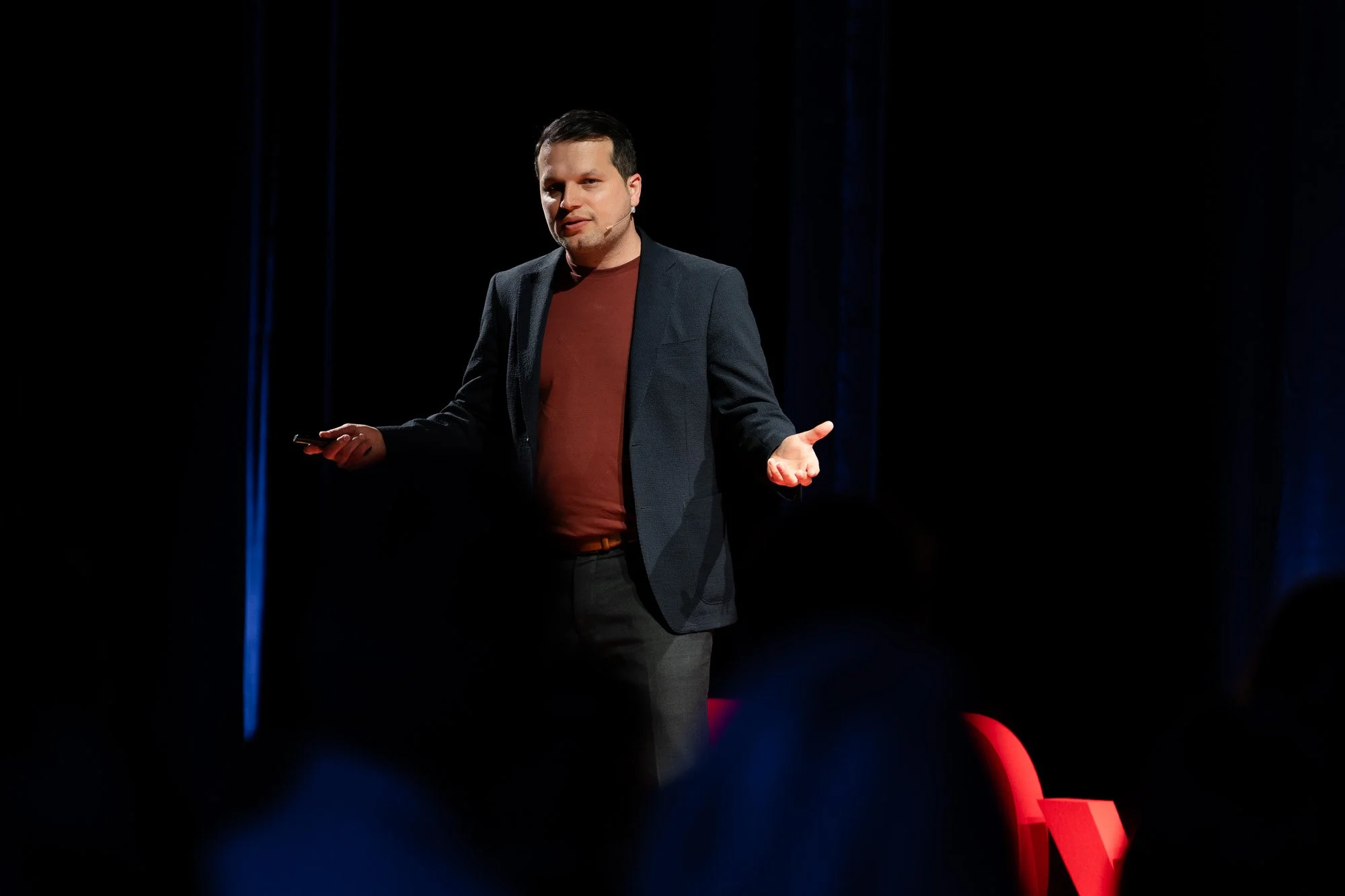
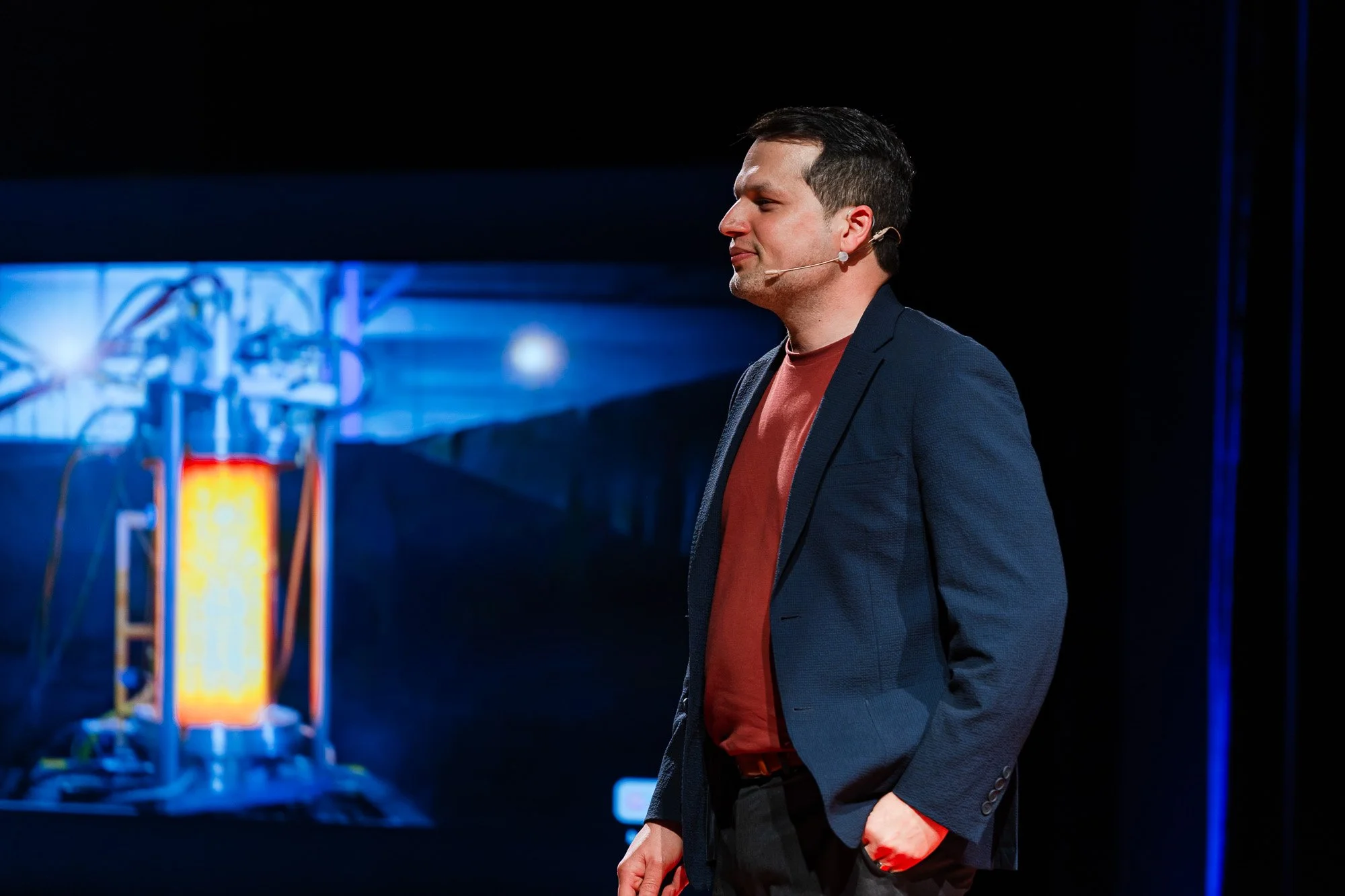
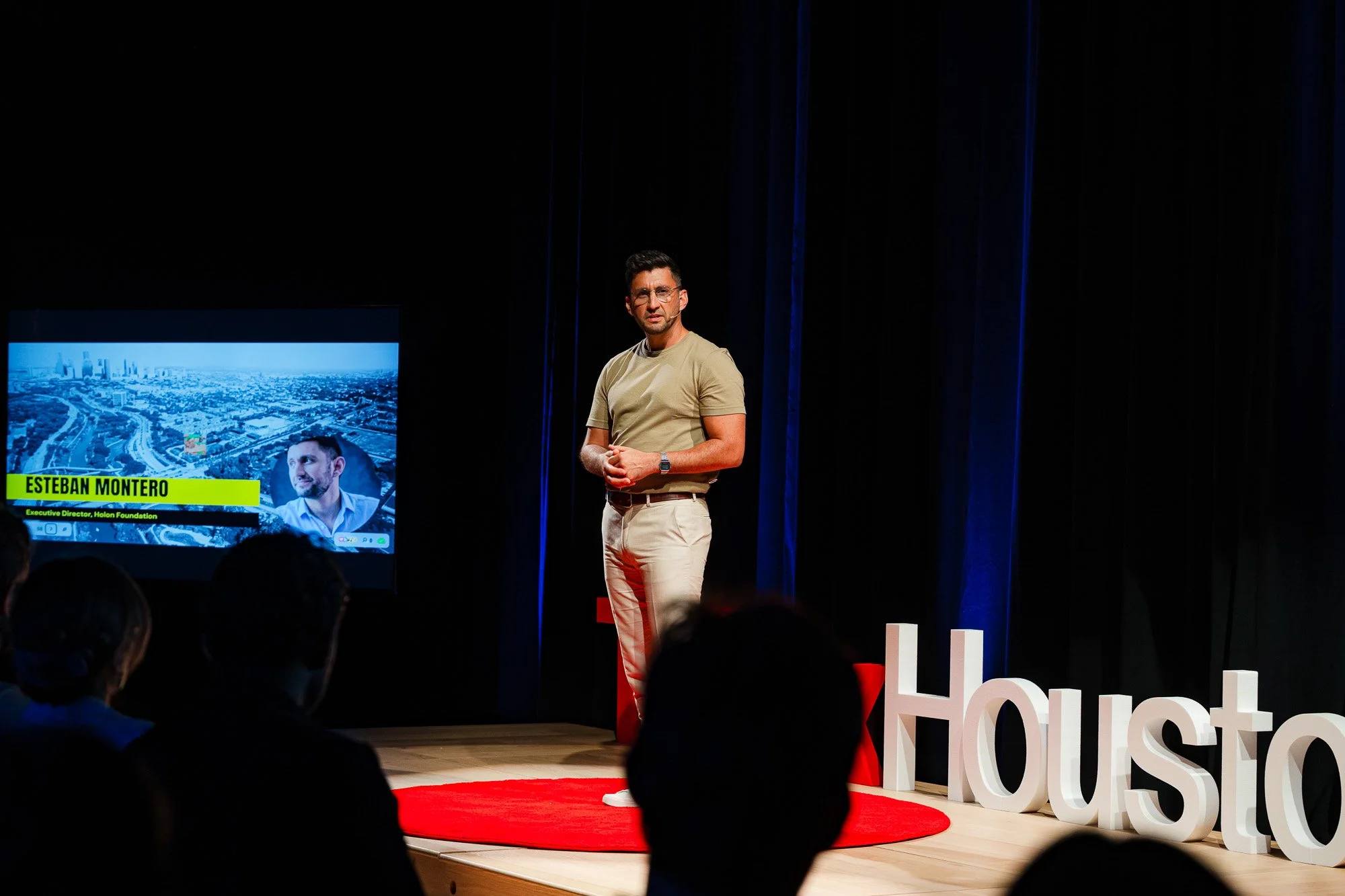
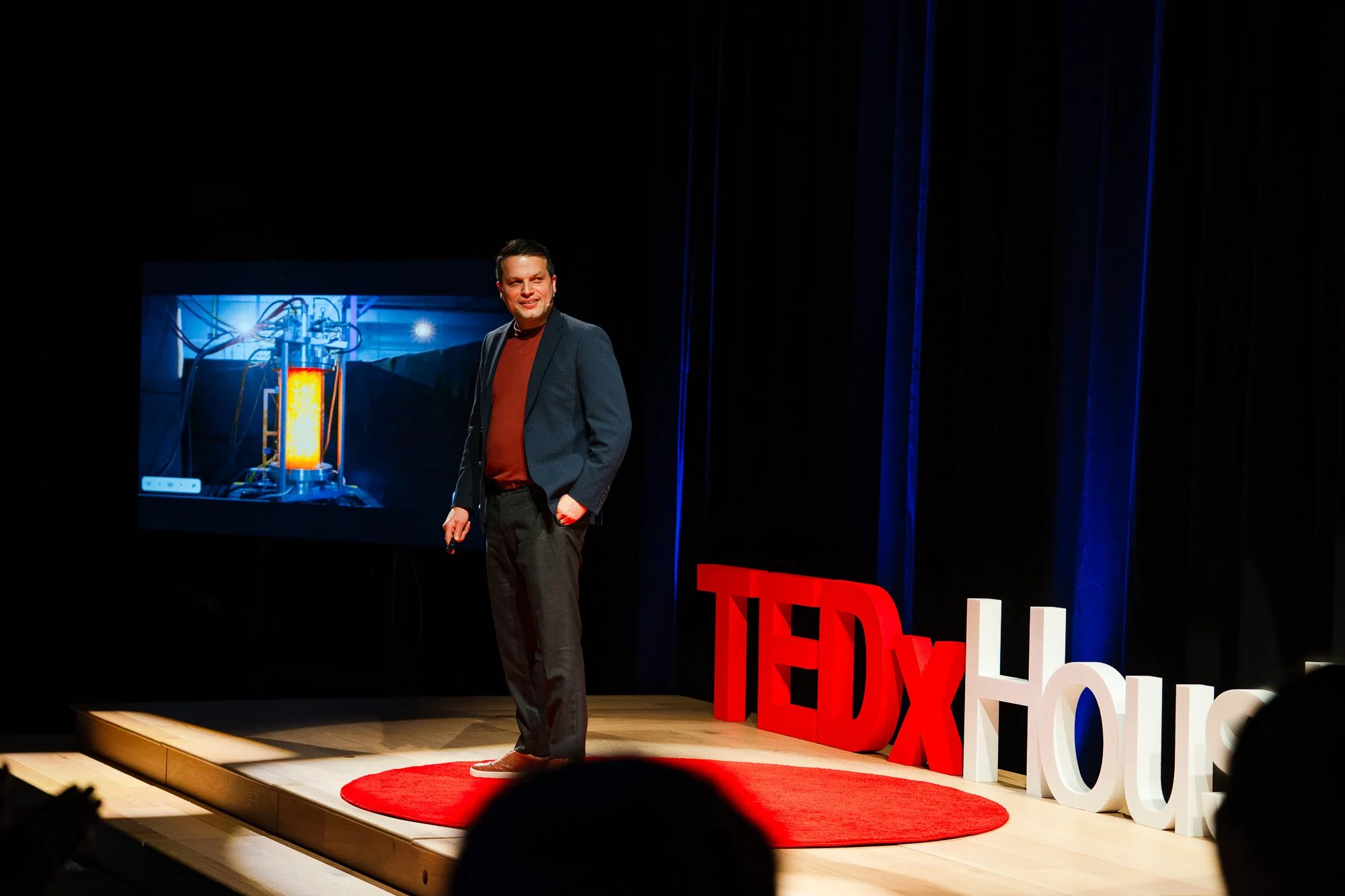
TEDxHouston took place in a darker room, which made sense for the brand and presentation style. But it also meant I had to be intentional about how I moved.
I shot without flash, kept my camera silent, and moved slowly and casually throughout the space. The goal was to be invisible, or as close to it as possible.
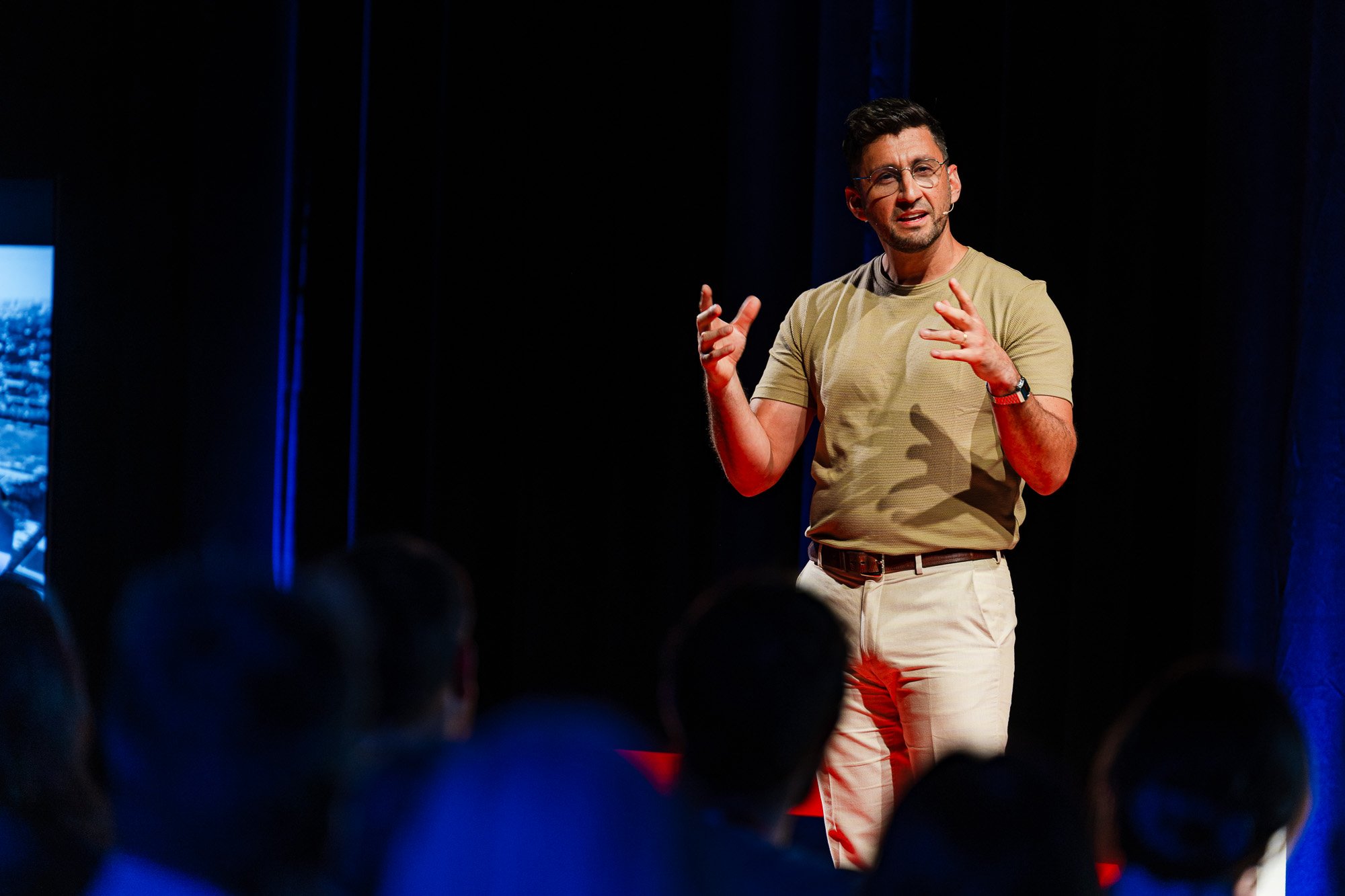
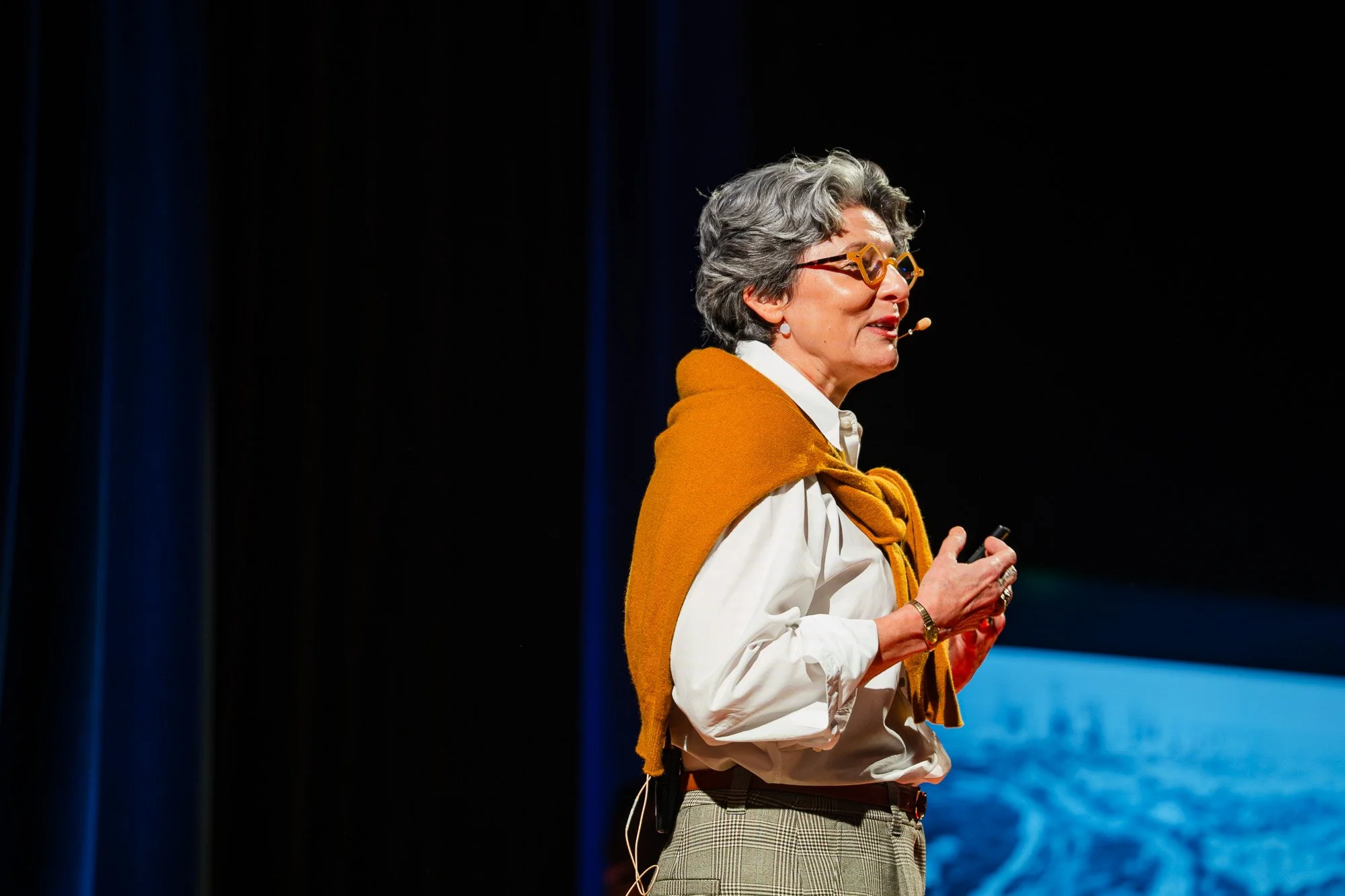
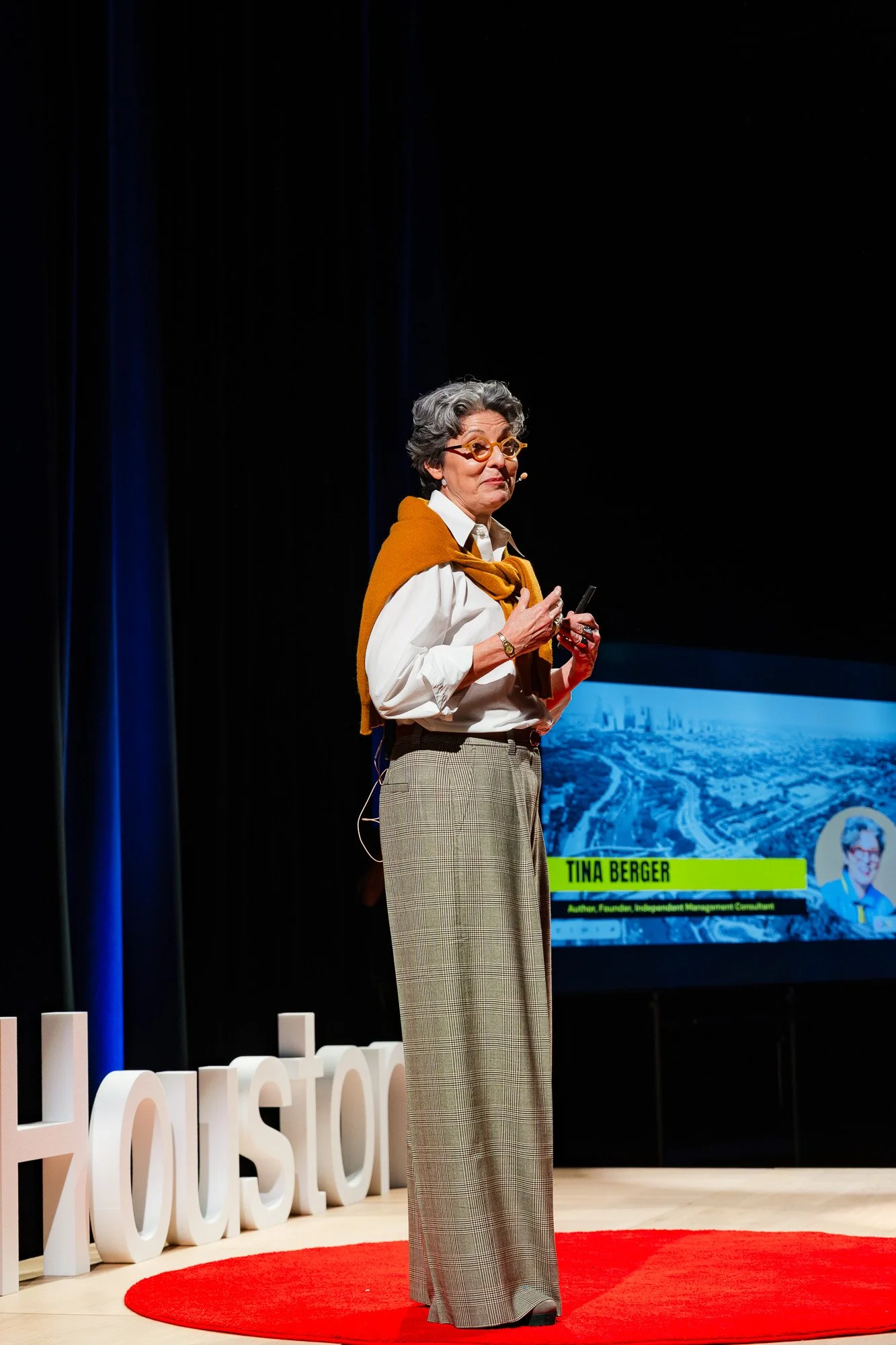
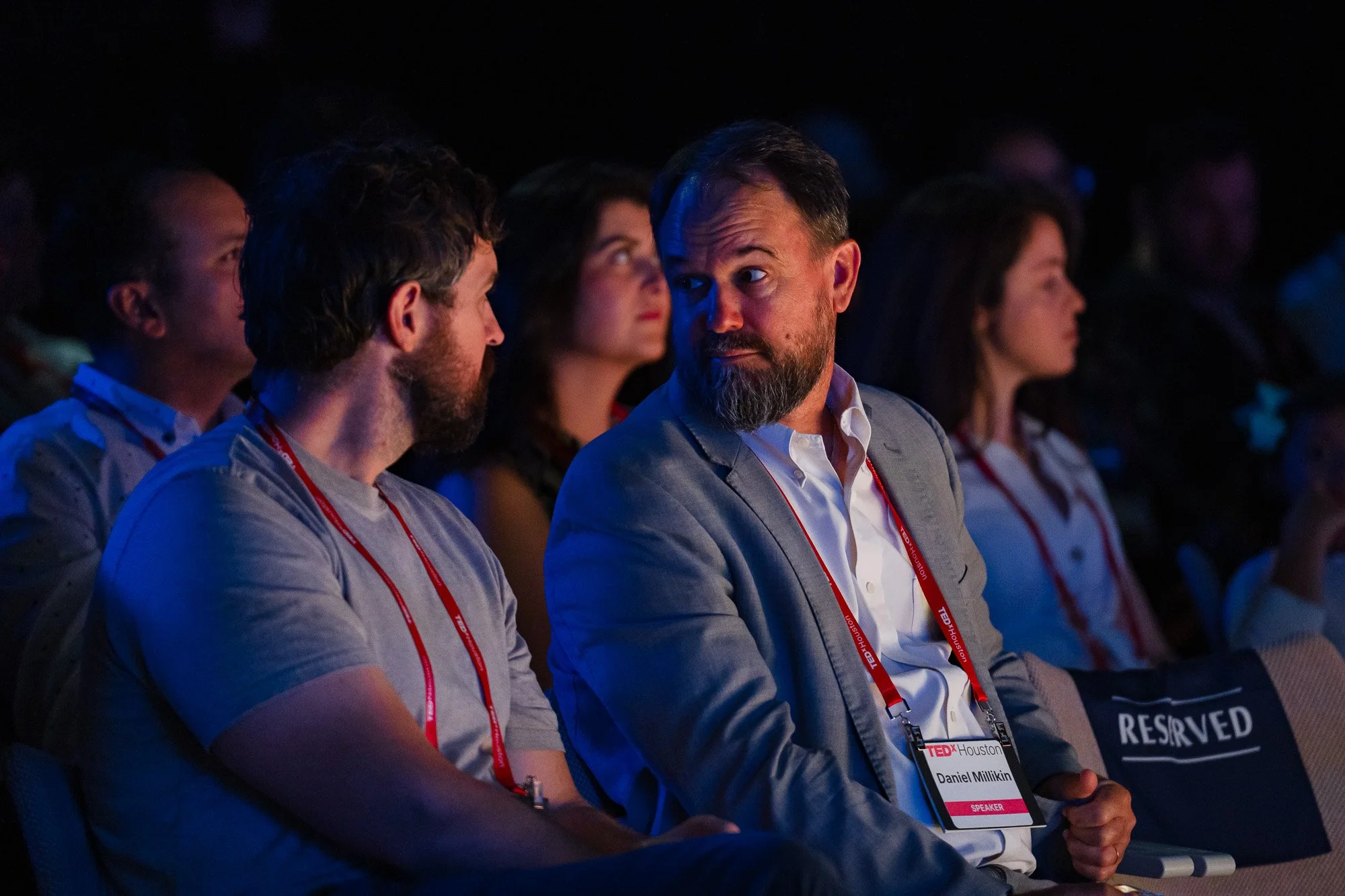
When photographing speakers at conferences or events, I'm not just blasting through frames. I'm waiting for the moments that communicate something: a gesture, a pause, a laugh, a moment of emphasis, or the audience leaning in.
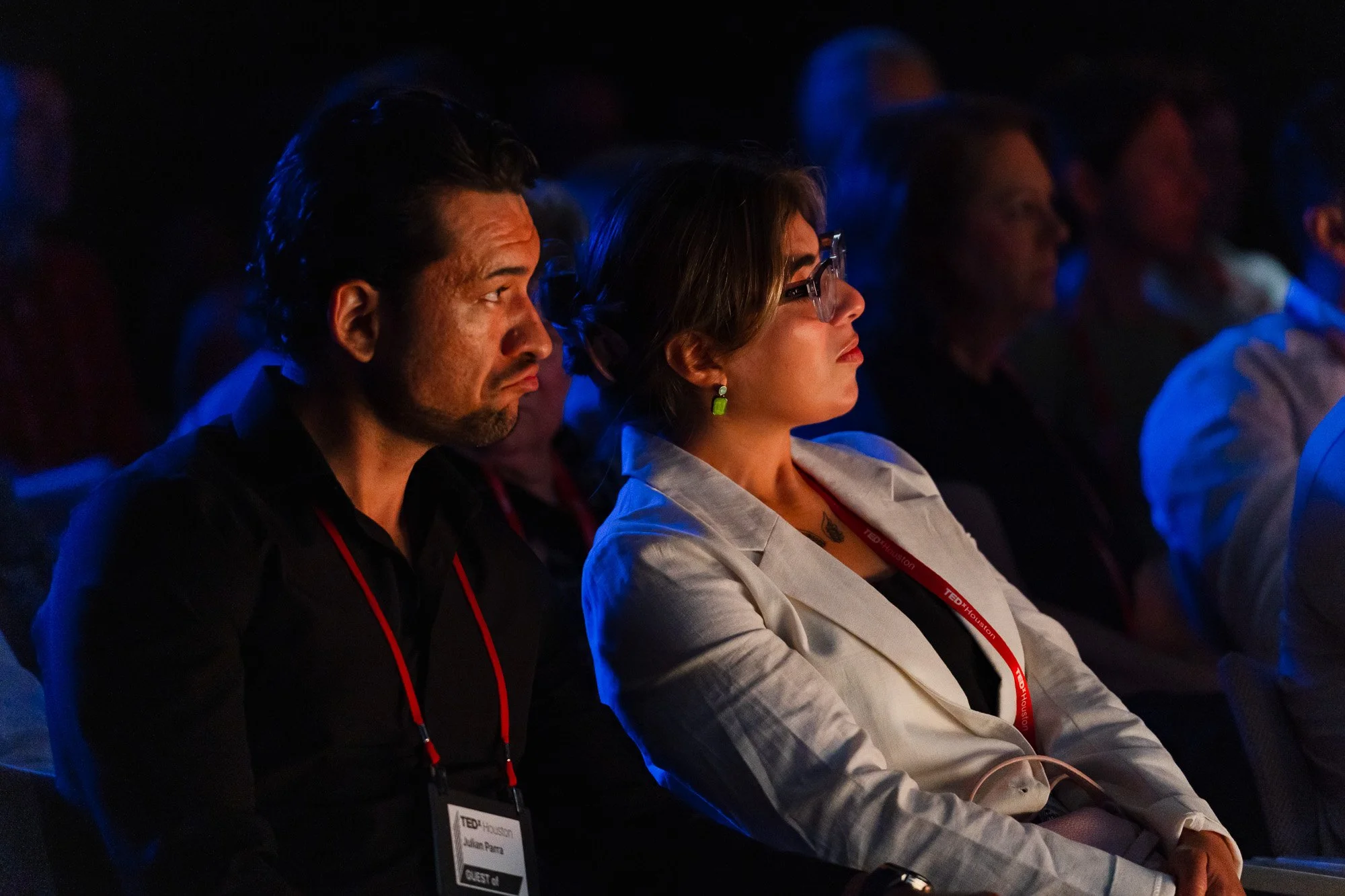
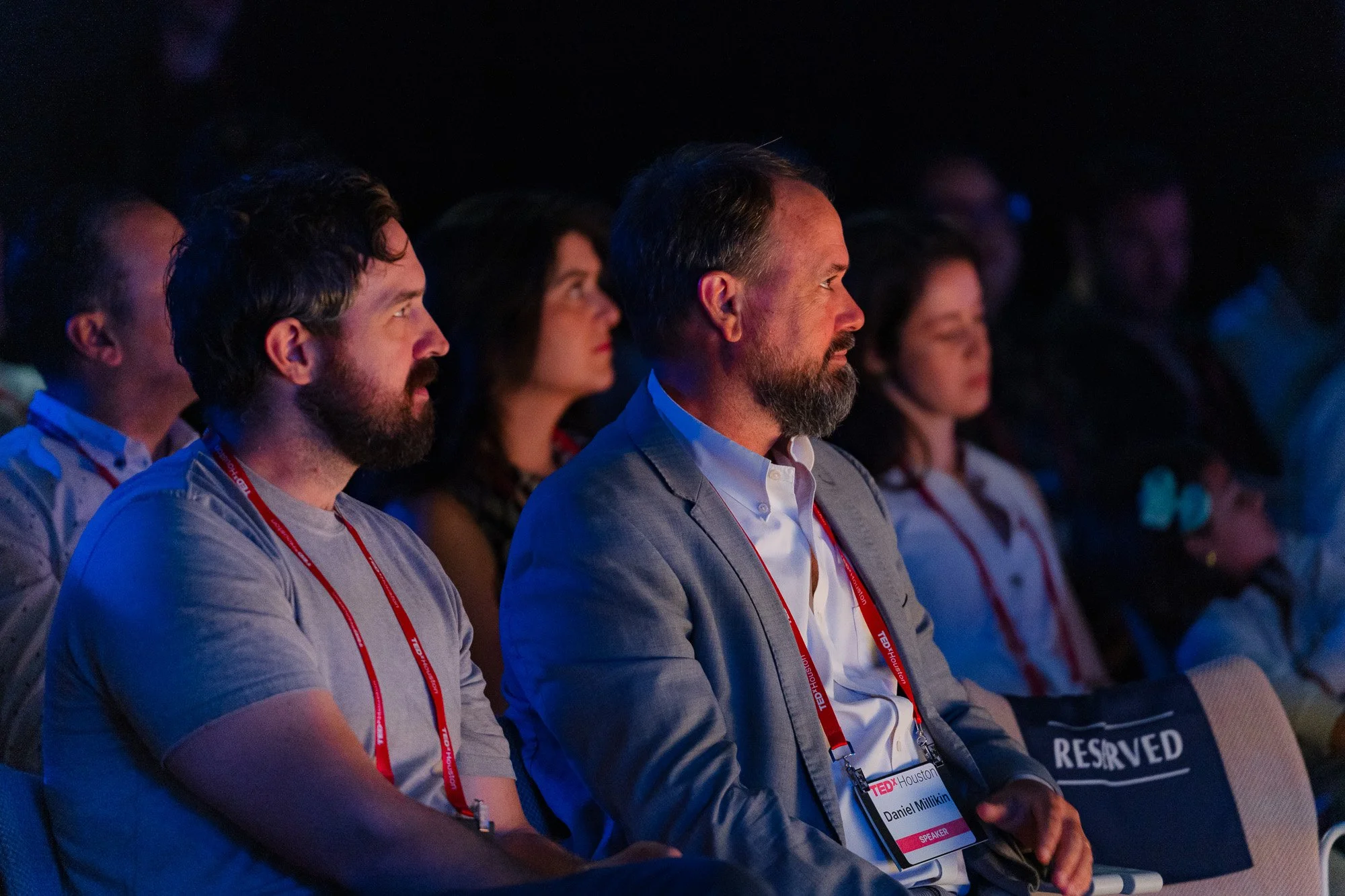
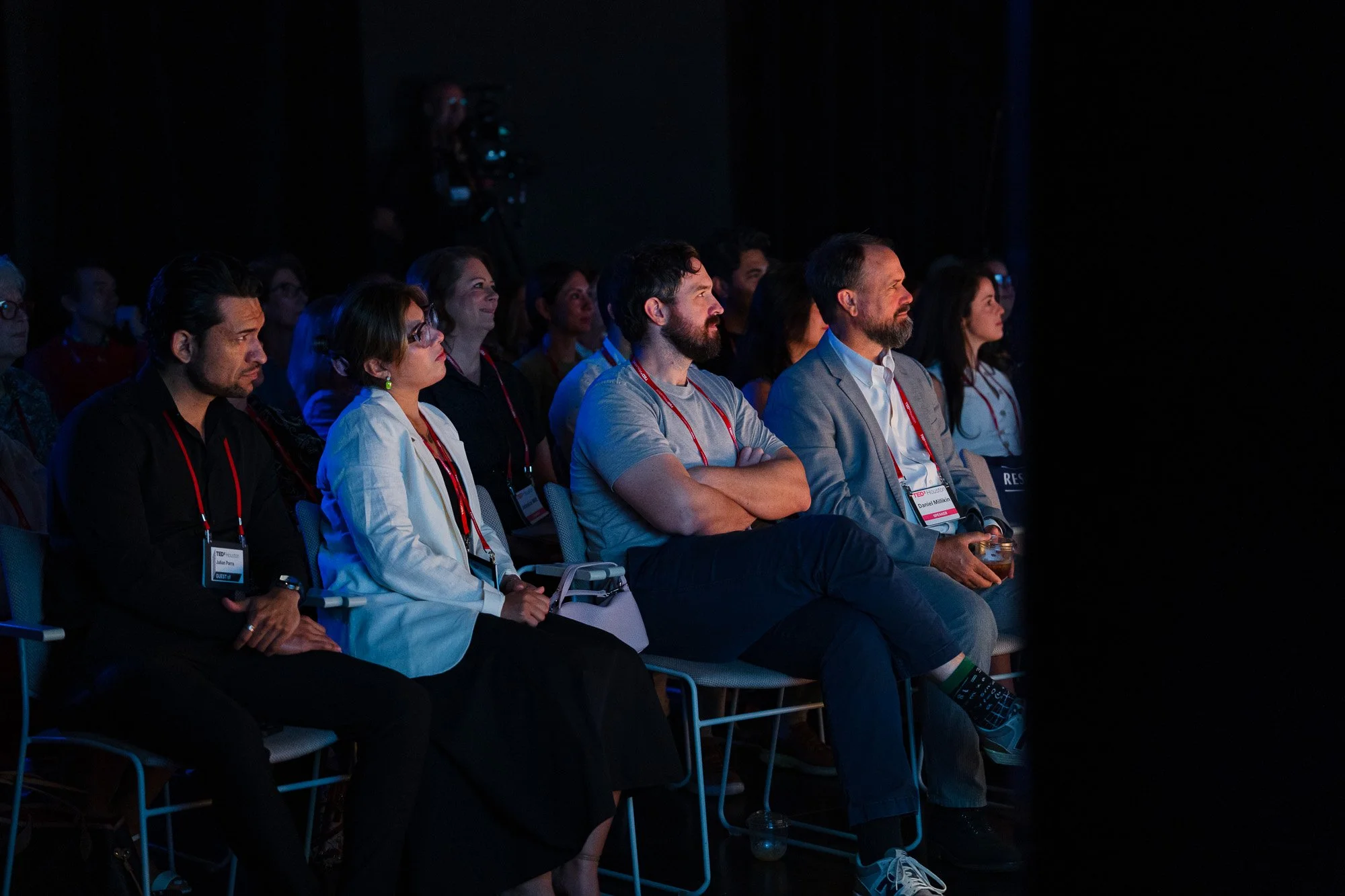
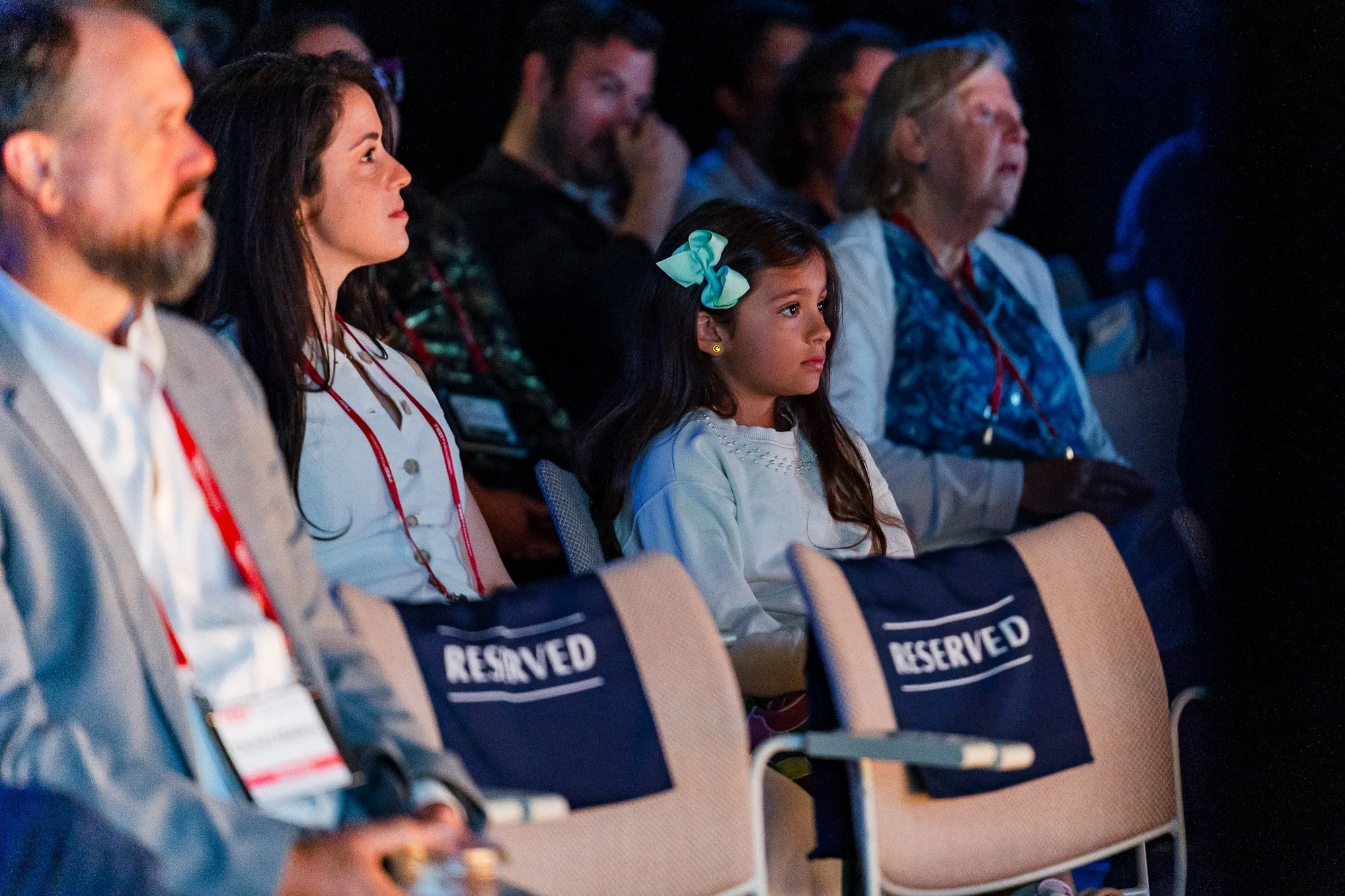
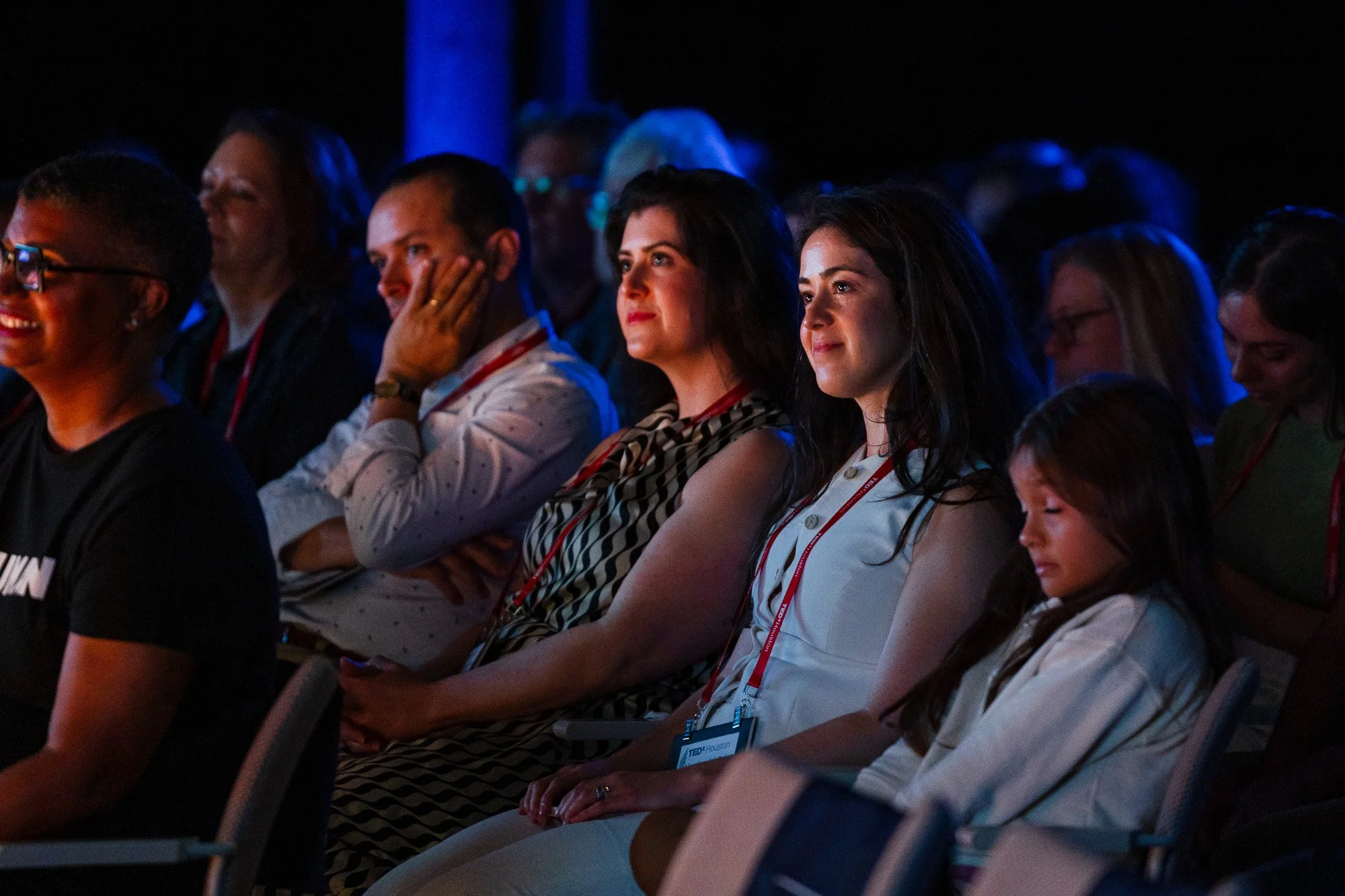
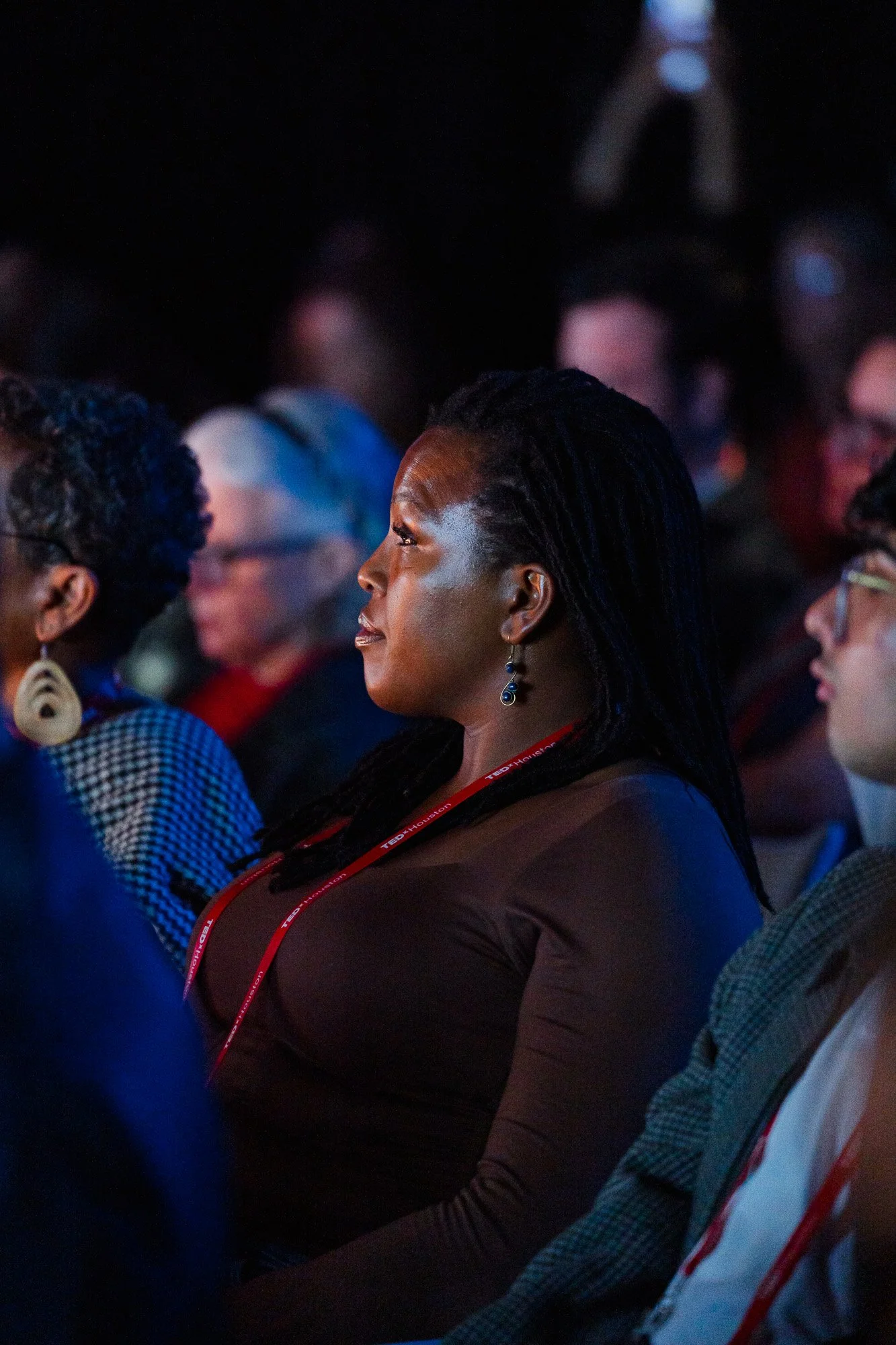
I also pay close attention to the crowd. When people laugh, applaud, lean forward, look emotional, or glance at each other; those are the moments that tell the story of how the message is landing.
Sometimes the best image from a talk isn't the speaker at all. Sometimes it's someone in the crowd nodding because something finally clicked. Sometimes it's the collective stillness of a room paying full attention.
Those are the images that make an event feel alive afterward.
What Most People Don't Know About Candid Event Photos
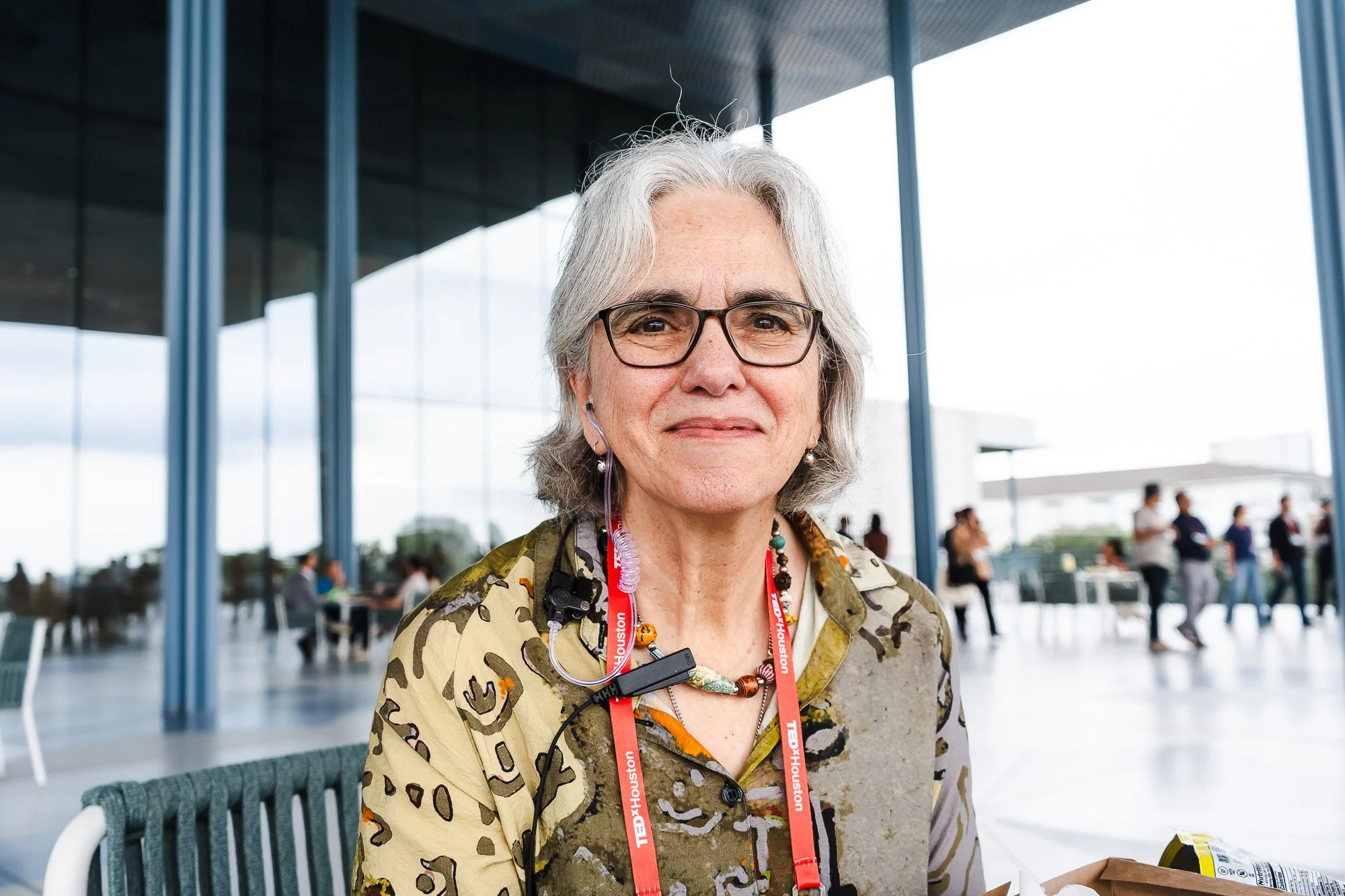
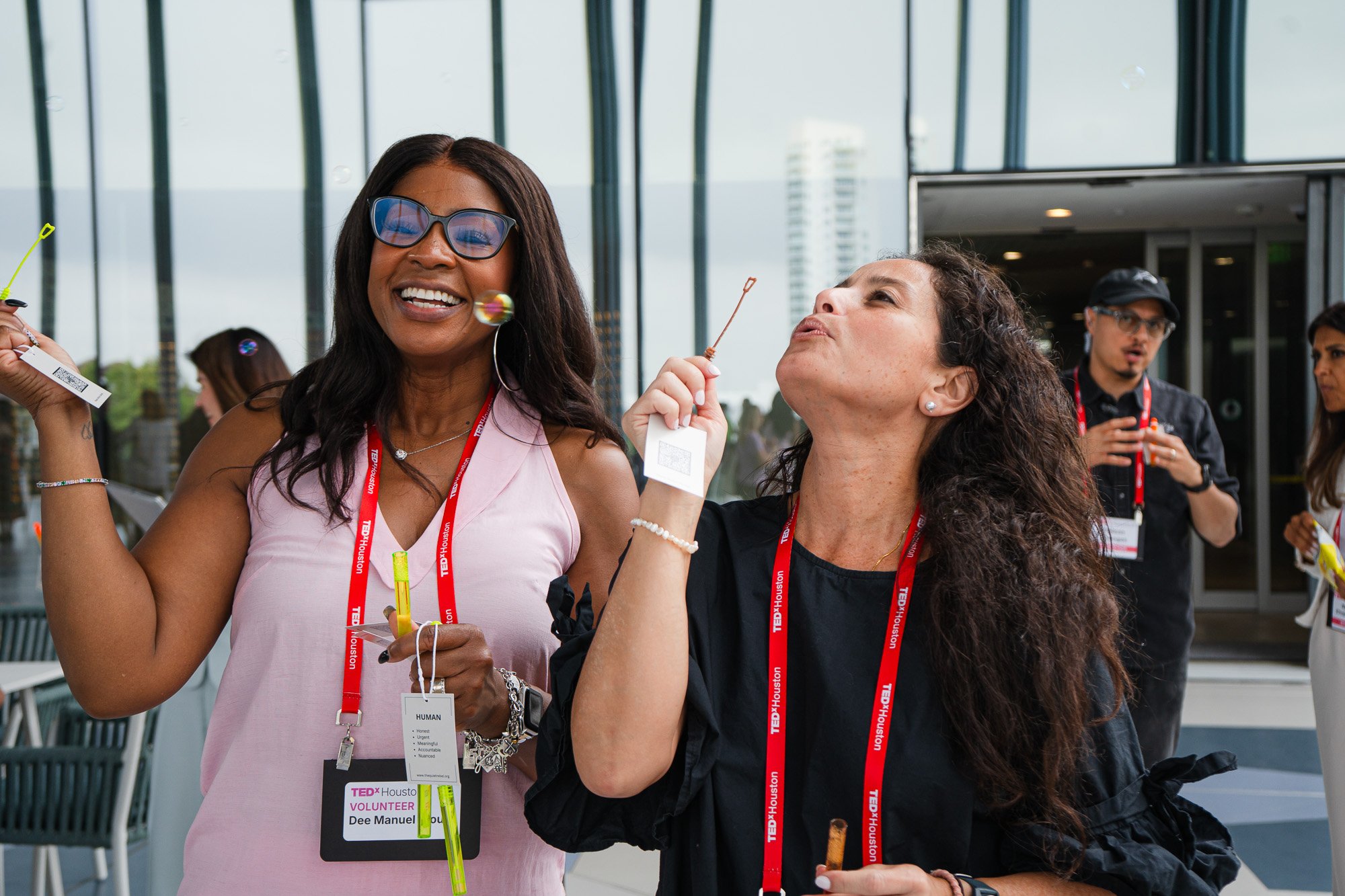
Here's something that surprises people: great candids are often created.
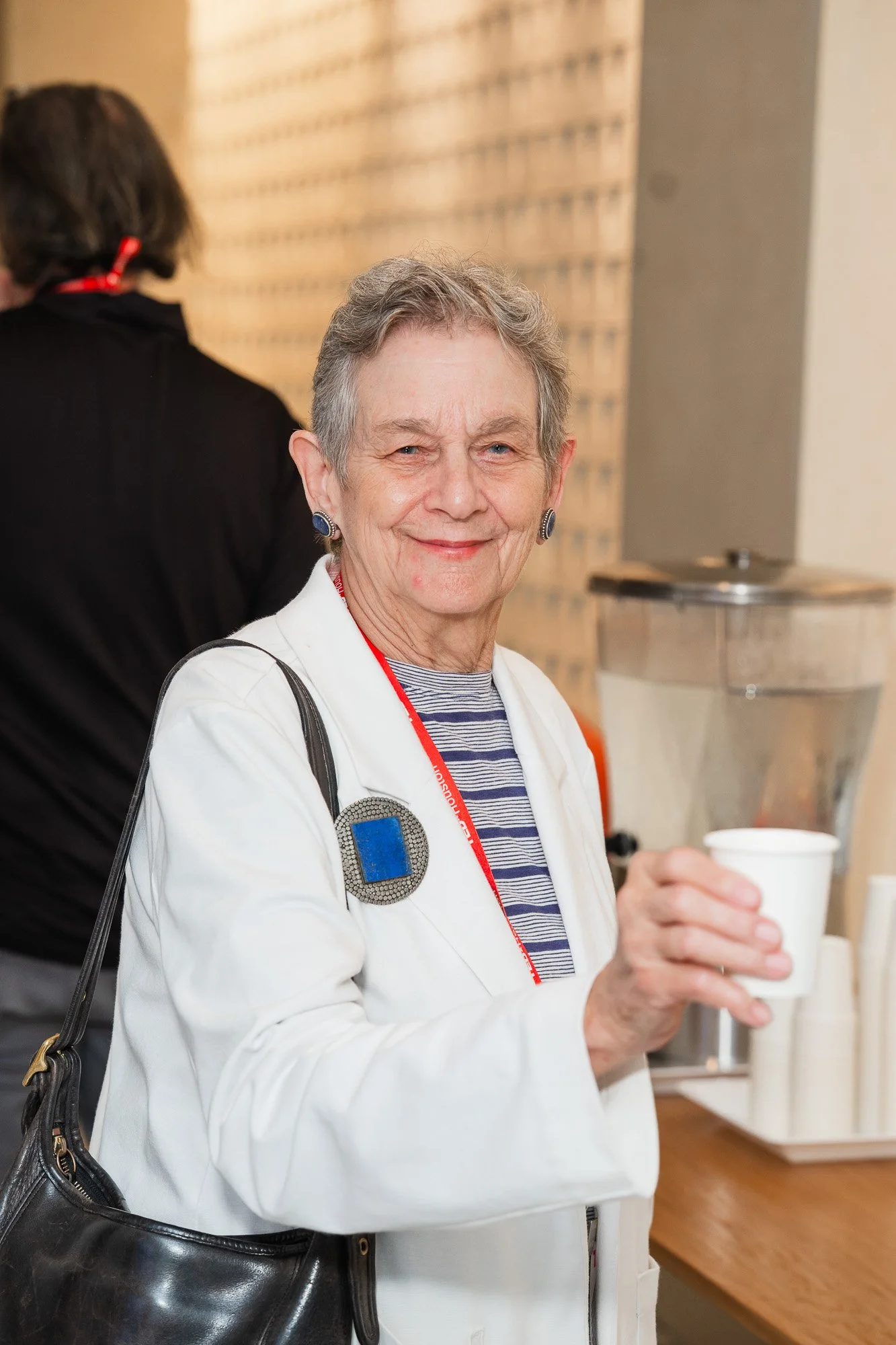
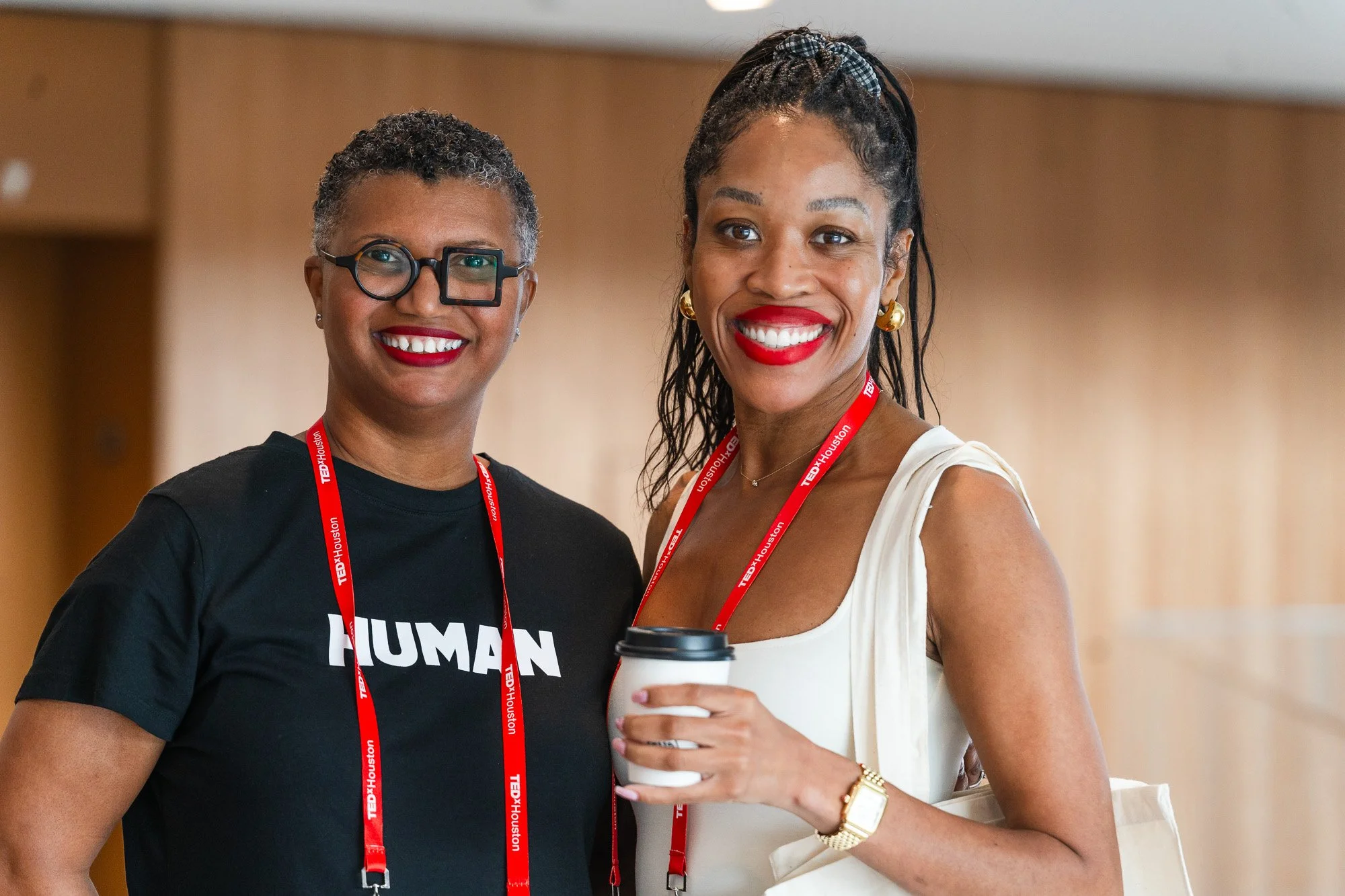
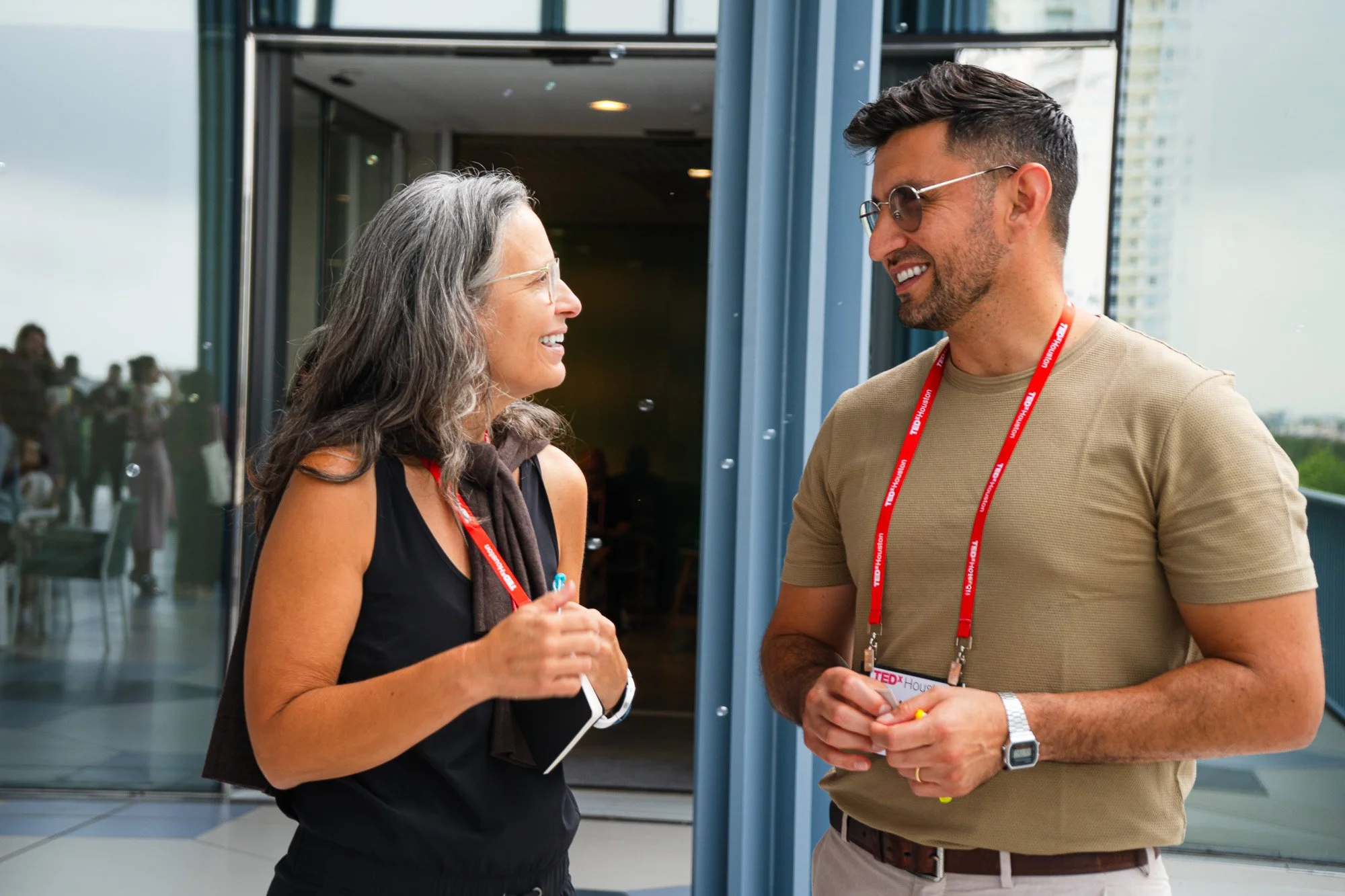
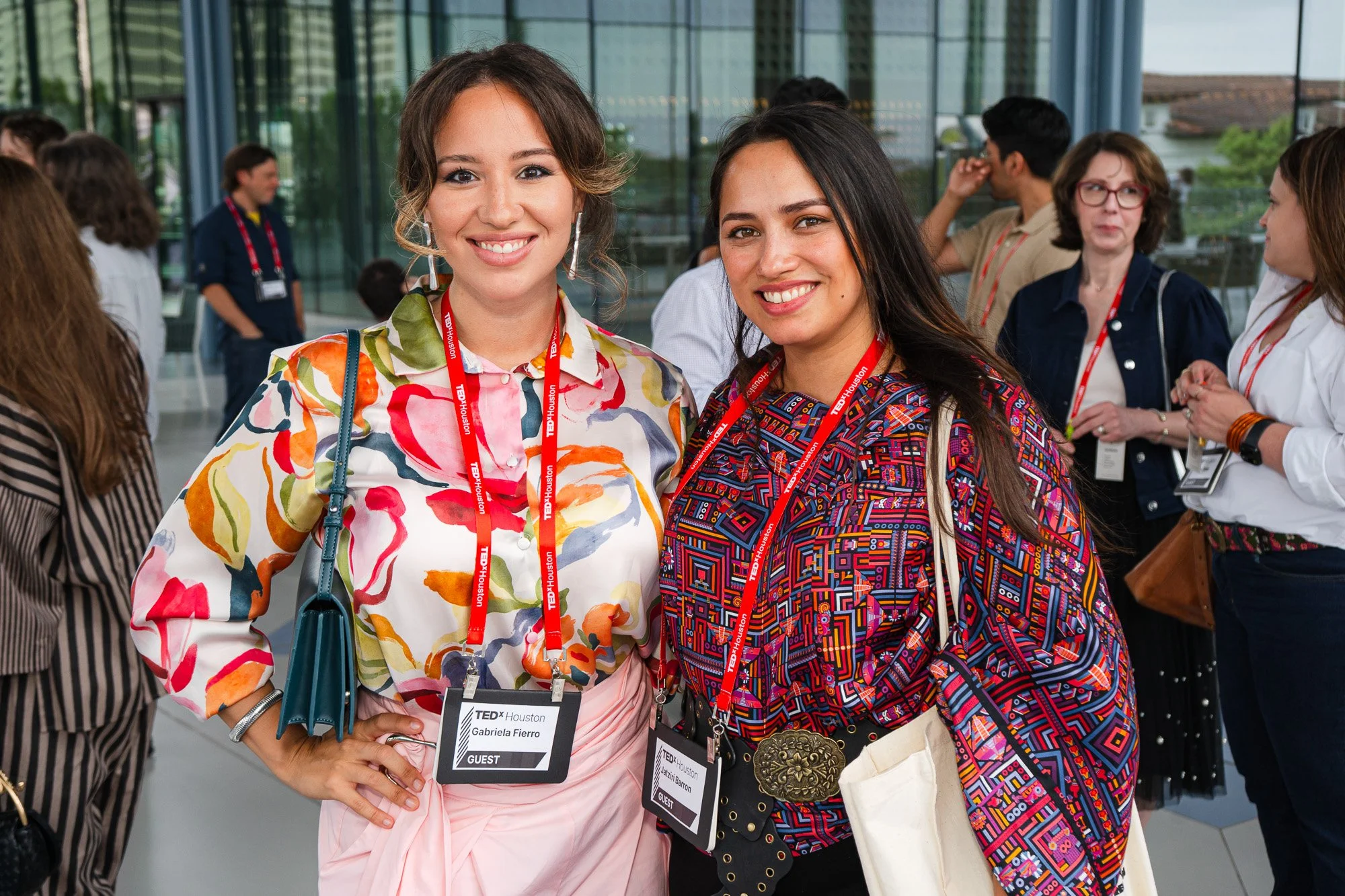
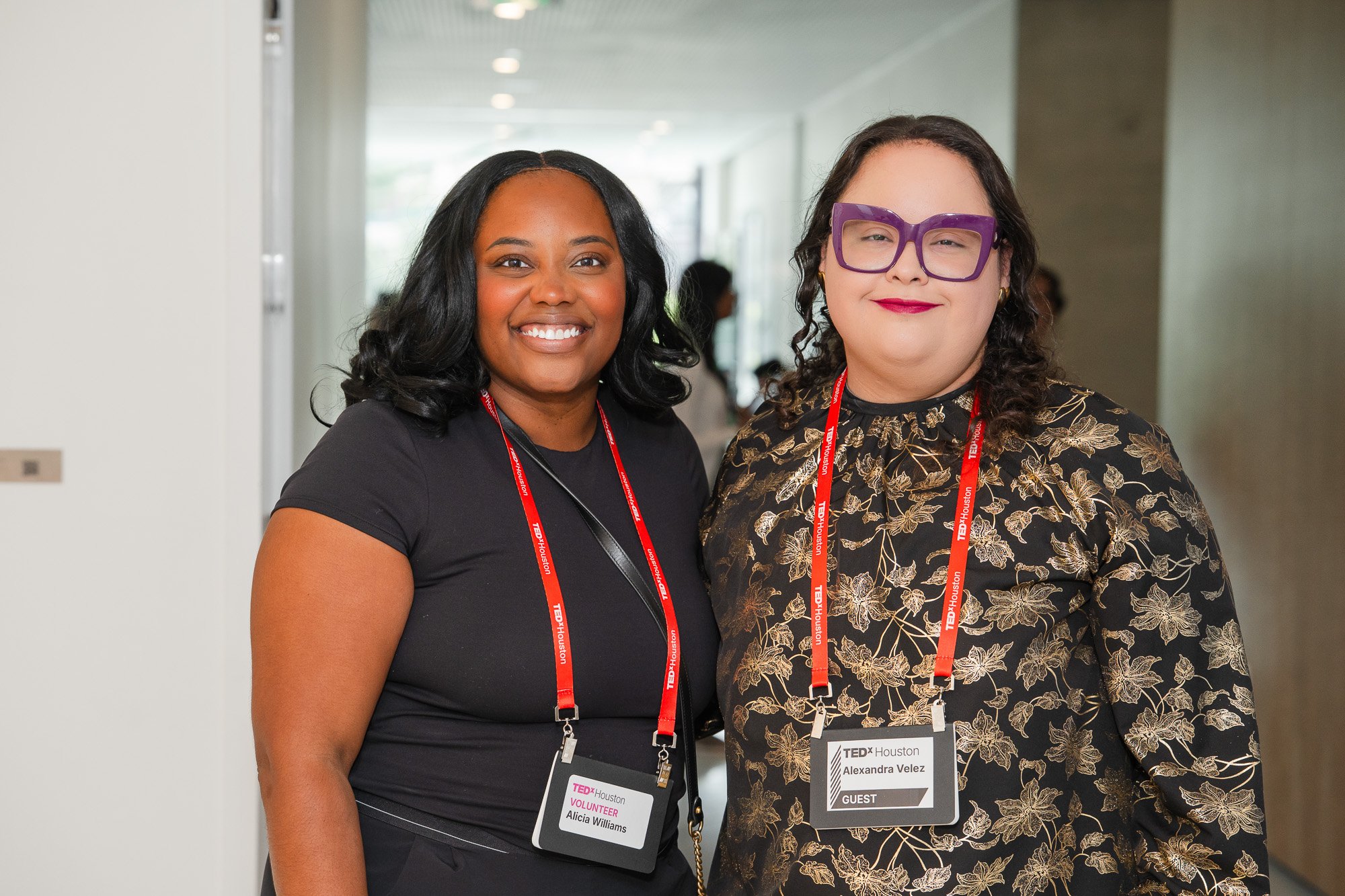
Yes, sometimes people naturally do something beautiful or emotionally perfect at exactly the right moment. But most of the time, people need to feel comfortable enough around the photographer for those moments to happen naturally.
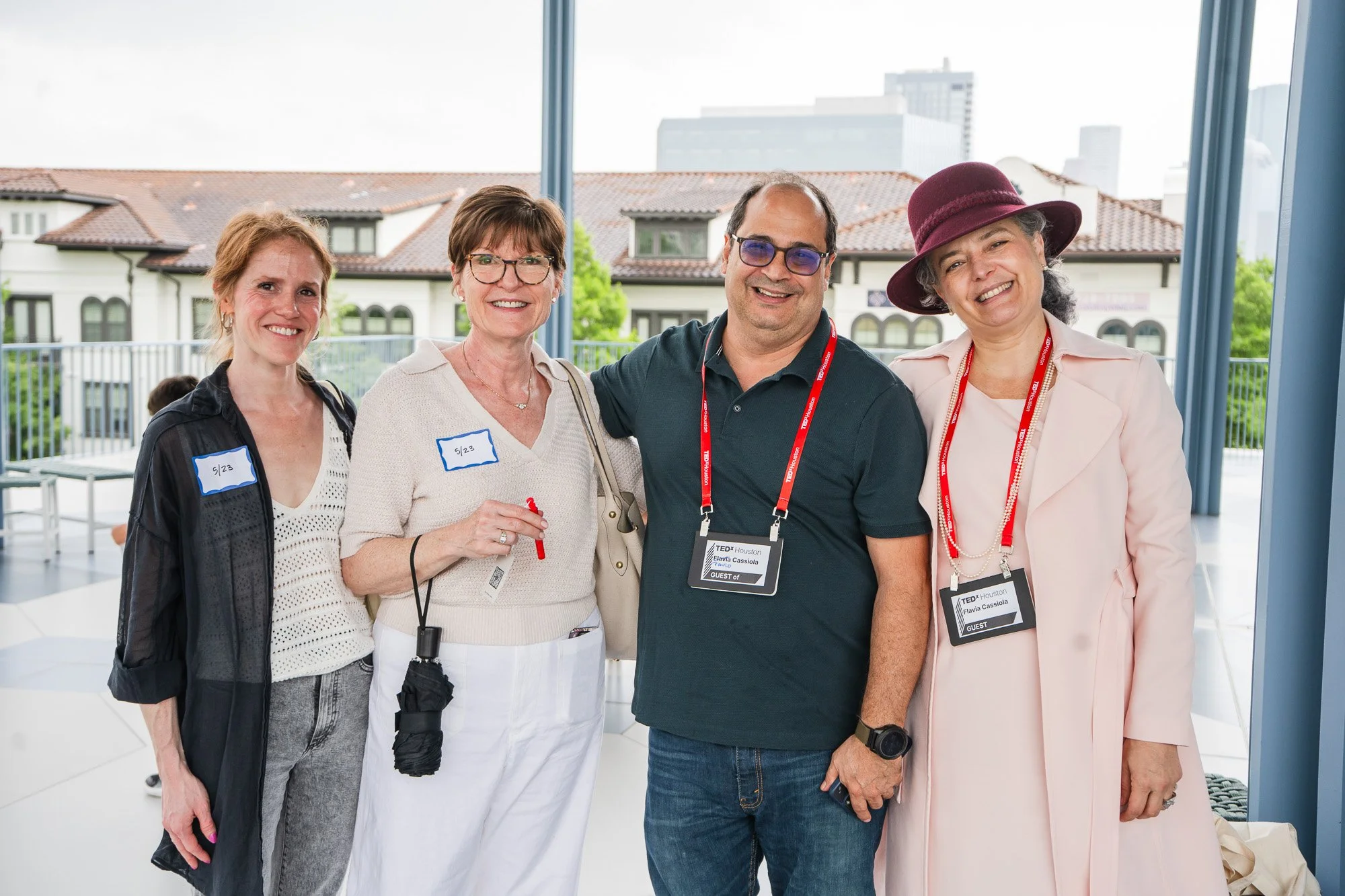
That's why I like to act a little like a guest when I'm shooting. I talk to people. I ask what brought them there. I let them get used to me being in the space.
Then, when it's time to guide someone into a natural-feeling moment, it doesn't feel stiff or awkward. It feels collaborative.
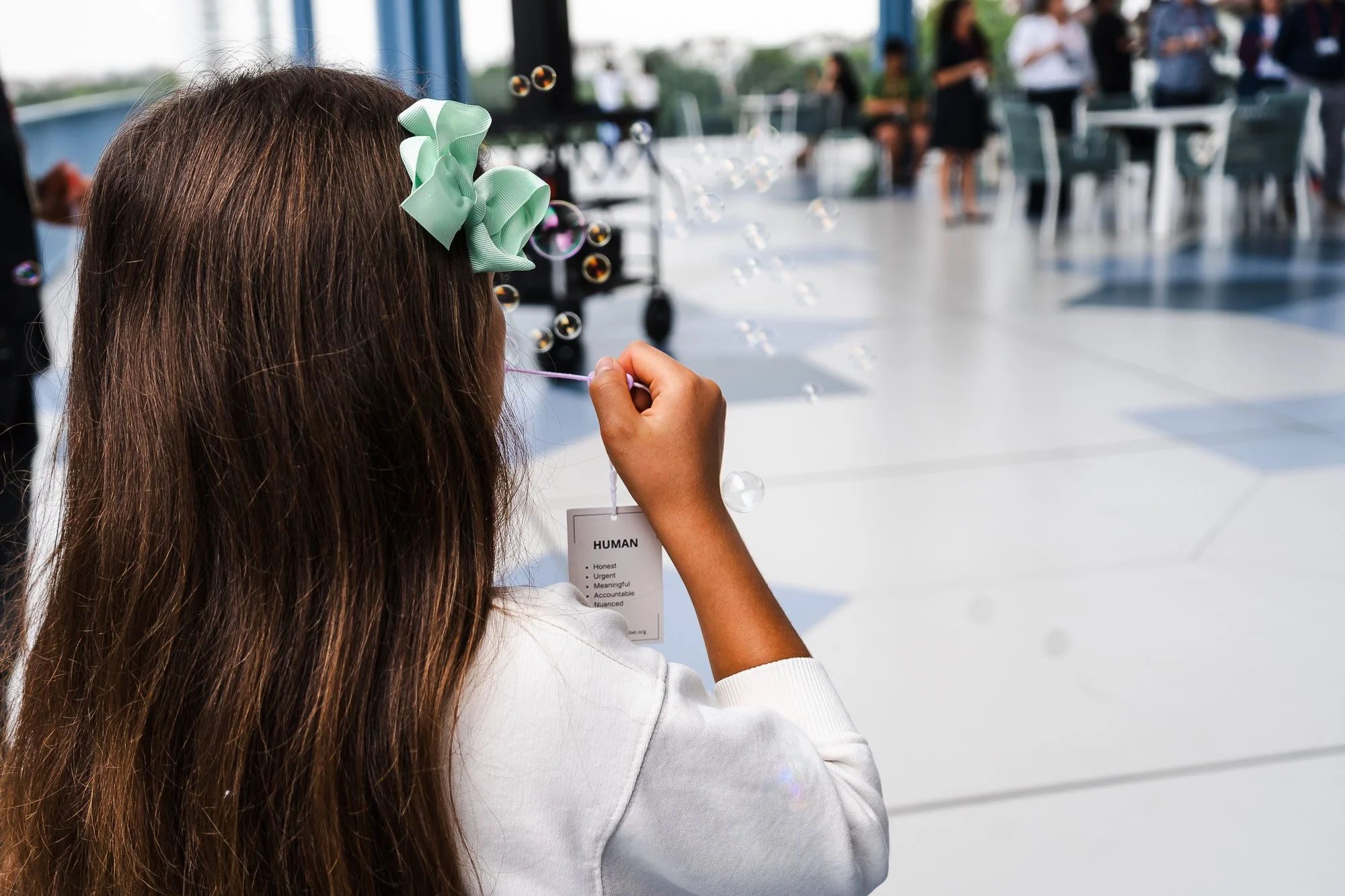
I might ask someone to keep talking with their friend, interact with an activation, or walk toward the event space. Small prompts — but they help create images that feel real and usable.
The goal is not to fake the event. The goal is to help people relax enough for the camera to capture the version of the event that already exists.
Leaving Room for Creative Event Photography
After the must-have shots are covered, I look for opportunities to be creative.
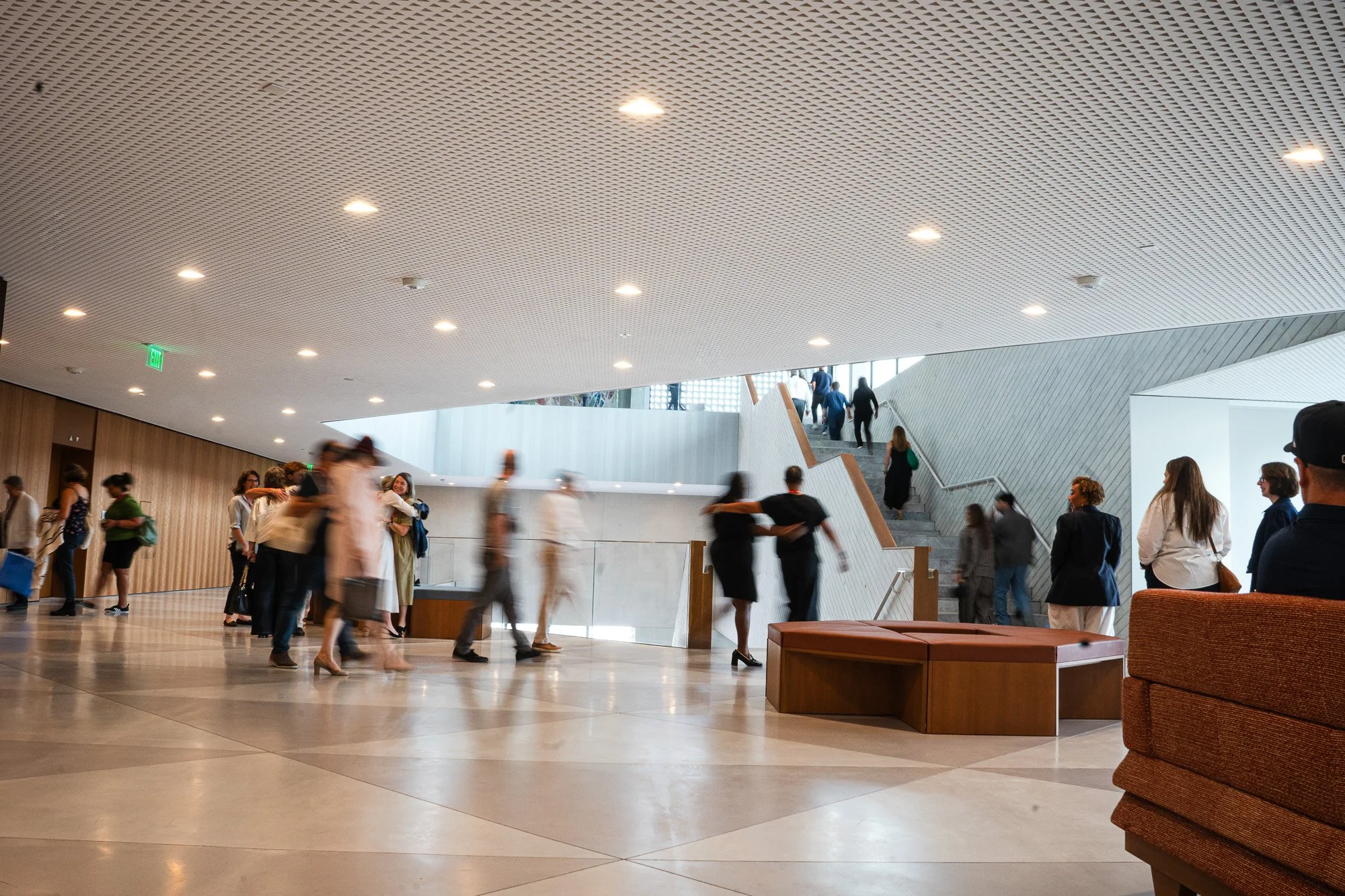
That might mean playing with silhouettes, movement, reflections, depth, shadows, hands, signage, or small emotional moments that may not be obvious at first glance.
These are the images that give a gallery texture — and help the final collection feel less like a checklist and more like a story.
For TEDxHouston, that mattered because the event itself was built around ideas. I wanted the images to feel thoughtful, human, and alive — not just informational.
What You Should Expect From Your Event Photographer After the Day Is Over
My job as a Houston event photographer isn't just to prove that an event happened.
It's to help the client extend the life of the event.
A strong gallery can help promote future events, engage sponsors, attract speakers, show community impact, create social content, support newsletters, and remind attendees why the experience mattered.
That's why I approach every event with both creative instinct and a marketing strategy behind the lens.
I'm documenting the room — but I'm also asking:
What will the client need after this?
What story are they trying to tell?
Who needs to feel seen?
What moments will help this event live beyond today?
That's the work I care about most.
Looking for an event photographer in Houston?
If you're looking for an event photographer in Houston, we'd love to hear about what you're working on.